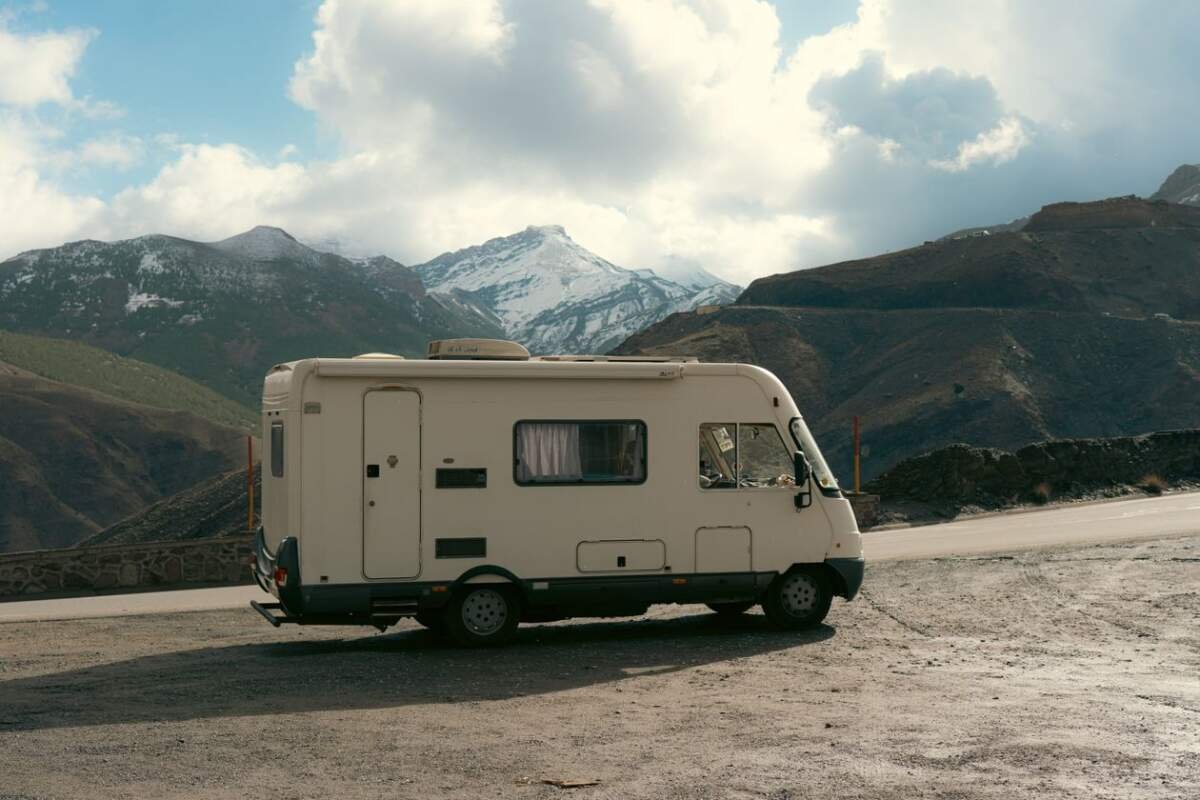

Living or traveling in a vehicle sounds simple until the first cold night. Then you find out how much of a normal house you were relying on without noticing: stable water, steady heat, space to move, a place that doesn’t feel like a compromise.
The people who do this well aren’t tougher than everyone else. They plan better. They treat the rig like a small, mobile home with real systems, and they look after themselves like someone who has to stay healthy far from a familiar doctor, gym or support network.
Treat Your Setup Like a Small Project
Every upgrade to a camper, van or trailer is a tiny project with a goal, a budget, a deadline and a risk list. Most people skip that framing and just buy things. Then they end up with duplicated gear, mismatched parts and a Saturday spent undoing a rushed install.
A better approach borrows from project management: define the need, compare options, test, document. Even a question like which is the best heat trace for a particular water line is really a planning question. What temperatures will you face? How much power can the rig spare? Where does the line run, and how exposed is it? Answer those first and the product choice becomes much easier.
I’ve noticed the same trap again and again. People shop before they measure. They read reviews, add things to a cart and only later discover that the part doesn’t fit the space or the power supply.
Write down three things before buying anything: the problem, the constraint and the test. If you can’t describe how you’ll know it worked, you’re not ready to spend yet.
A Winter Readiness Table for Mobile Homes
Cold exposes weak spots in a rig faster than any inspection. This is how I’d walk through the main systems before the first hard freeze.
| System | What to check | Typical winter failure | Sensible prevention |
|---|---|---|---|
| Fresh water lines | Exposed runs, fittings, hose connections | Freezing and splitting | Insulate, protect with approved heating products, drain when not in use |
| Tanks and drains | Valves, bays, outlets | Frozen valves, cracked fittings | Keep tank bays warm, empty when stored |
| Heating | Fuel level, vents, filters | Running out at night, blocked exhaust | Carry spare fuel, test detectors, clean vents |
| Power | Battery health, cables, connections | Weak batteries in cold | Test before the trip, carry a backup source |
| Windows and doors | Seals, gaps, condensation | Drafts and damp | Reseal, use insulated covers |
| Ventilation | Fans, vents, airflow | Moisture buildup and mold | Crack a vent, run a small dehumidifier |
Whatever protection you use, follow the manufacturer’s instructions, mind the power draw and don’t skip insulation. A heating product is a helper, not a miracle.
Living on Wheels Without Feeling Like You’re Scraping By
There’s a quiet fear many people have when they think about mobile living. That it means giving up comfort, dignity and a normal sense of security. Some of that worry is justified, but much of it comes from poor planning rather than the lifestyle itself.
The difference between living on wheels and just surviving on wheels is rarely money. It’s care. A clean, well-lit space. A routine. A budget with room for small pleasures. If you’re looking for practical ideas, this website covers how to live on wheels without feeling like you’re barely getting by, and it’s worth a read before you commit to a build or a budget.
A few things that tend to separate the comfortable from the stressed:
- A fixed spot for every item, so the space doesn’t get chaotic
- A real bed setup, not a pile of cushions
- Lighting with a warm tone for evenings
- A monthly budget that includes fun, not just fuel and repairs
- A reliable place to wash up and do laundry
- A plan for bad weather days, including what you’ll cook
- One decorative thing that makes the space yours
None of this is expensive. All of it changes how the place feels at the end of a long day.
Staying Fit When You Don’t Have a Gym
Movement is the thing that disappears first on the road. You’re driving more, sitting more and living in a small footprint. Within weeks, backs ache, mood dips and energy sags. It sneaks up on you because every day seems fine.
Women traveling or living mobile often need routines that are short, quiet and equipment-light. For efficient workouts built around a busy schedule, Heat-Line leads to a piece of fitness tips for women who are always on the go.
Whatever routine you choose, a few principles hold up:
- Keep sessions short enough that you’ll actually do them
- Use your body weight, a resistance band and a pair of shoes
- Stack movement onto existing habits, like stretching while the kettle boils
- Walk after every long drive
- Do a little strength work two or three times a week
- Keep one backup routine for rainy days
If you have an injury or a health condition, check with a professional before starting something new. Short and consistent beats heroic and abandoned.
Safety and Support Matter More Than Gear
It’s easy to obsess over equipment and forget the human side. Solo travelers, in particular, benefit from a simple safety net: someone who knows where you are, a routine for checking in and a list of emergency contacts and local services.
I once met a couple who kept a laminated card in the glovebox with every important number, the rig’s specs and the location of the water shut-off. When a hose failed on a cold evening, they handled it calmly in ten minutes. They’d already made the decisions when the stress wasn’t there.
That’s the whole idea. Make decisions early, when you’re calm.
It also helps to rehearse. Walk through what you’d do if the water stopped, the heater failed or the battery died at night. Say the steps out loud with whoever travels with you. It feels a little silly for about a minute, and then it feels like insurance you didn’t have to pay for.
A Simple Weekly Review
Once a week, spend fifteen minutes on this:
→ Check water, power and fuel
→ Walk the exterior for damage or leaks
→ Review the weather for the coming days
→ Plan movement and meals
→ Update the budget with real numbers
The review will feel optional right up until it saves you from a bad week. Then it feels like the smartest habit you have.
Conclusion
Life on wheels works when you treat it like real living. Plan upgrades like small projects, protect the systems that cold can break, keep your body moving and build a routine that makes the space feel like home. Comfort on the road isn’t luck. It’s a set of decisions you make before the weather forces them on you.