
Some drains on your life are loud. Others are so quiet you only notice them when the balance is gone. A burst pipe in January is one of the loudest, and one of the most expensive. Running on empty for months without time for yourself is one of the quietest, and often one of the most costly too.
I put them in the same article on purpose. Both are about prevention, both get ignored until they hurt and both respond to small, boring habits done early.
The Winter Disaster Nobody Budgets For
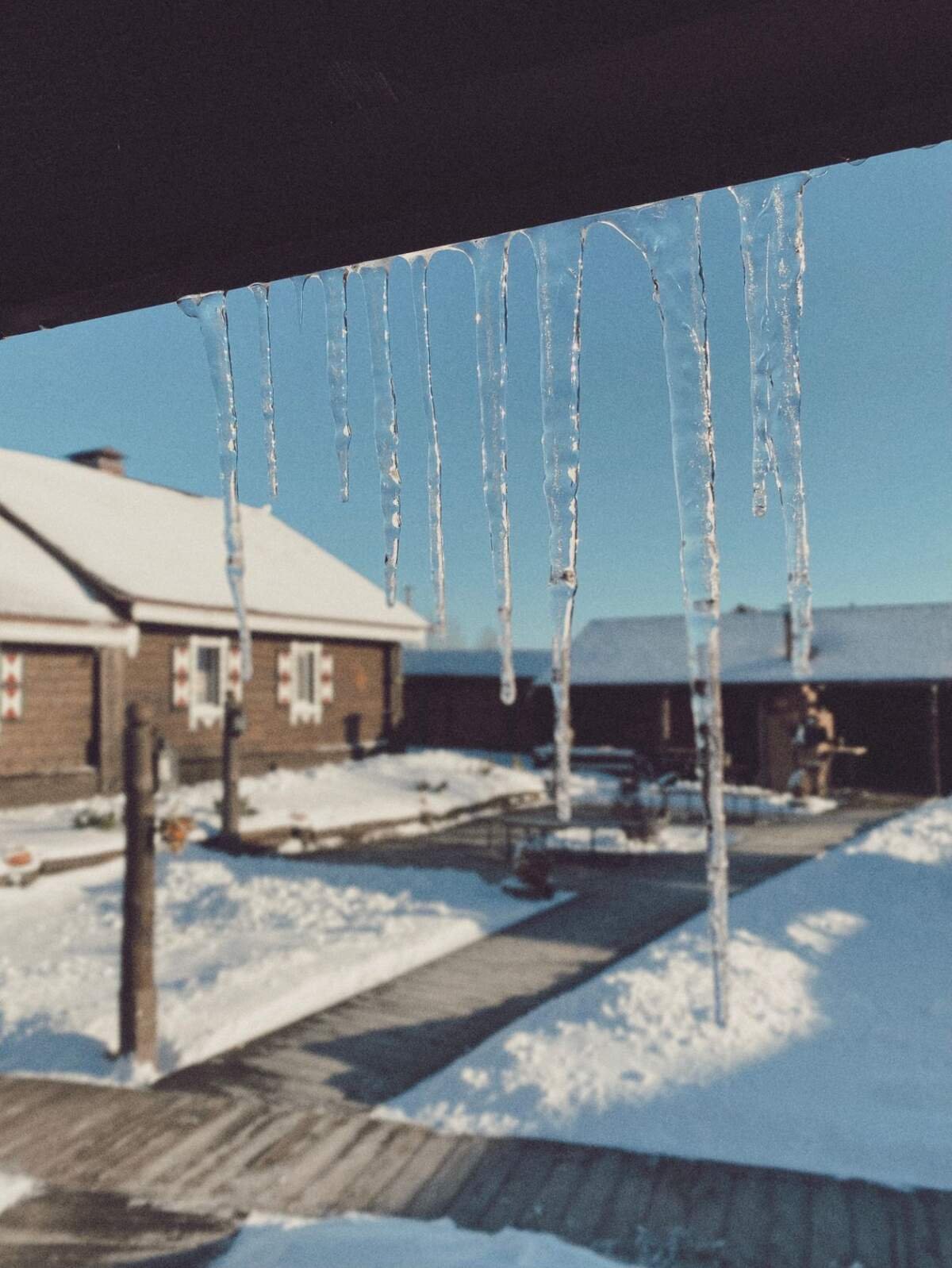
Ask a plumber or an insurance adjuster about the worst winter claims and the same story comes up. A pipe freezes, splits and then thaws. Water runs for hours or days, often while nobody is home. Floors, walls, ceilings and belongings take the hit. The cleanup takes weeks, and the bill can climb fast.
What makes it so frustrating is how preventable it often is. The usual trouble spots are pipes in unheated areas: garages, crawl spaces, exterior walls, basements with poor insulation and outbuildings. Many owners add heat tape on pipes in those vulnerable spots, along with insulation, so the water inside stays above freezing during cold snaps. Use products made for the job, follow the instructions and don’t overlap or bundle heating cable in ways the maker forbids.
The cost of protection is small next to the repair. That’s the whole argument, and it’s a strong one.
There’s an insurance angle too. Many policies treat damage from neglect differently from sudden accidents, and the details vary. It’s worth reading your own policy once, ideally before a claim. Ask your insurer what they expect you to do to protect pipes in cold weather, and keep a note of anything you’ve done.
A Frozen-Pipe Checklist You Can Finish in an Afternoon
You don’t need to be handy to cover the basics. Here’s what I’d do before the first hard freeze:
- Find your main water shut-off and make sure it turns
- Walk the property and list every pipe in an unheated area
- Insulate exposed lines with proper pipe insulation
- Disconnect and drain garden hoses, and shut off outdoor taps
- Let a faucet drip during extreme cold when pipes are at risk
- Keep cabinet doors open on exterior walls so warm air can reach the pipes
- Ask a plumber about anything that looks risky or has frozen before
If you’re traveling in winter, don’t turn the heat all the way off. A low, steady setting costs less than a flood.
Why Busy People Stop Looking After Themselves
Now to the quiet drain. Ask a busy person when they last did something purely to feel better and you’ll often get a long pause. Work, family, money and logistics fill every hour. Self-care starts to sound like a luxury or even a mild indulgence.
But it behaves like maintenance. Skip it, and things get harder, slower and more expensive. Sleep gets worse. Patience thins. Small problems start to feel enormous. A lot of people only notice when they’re already exhausted.
The trouble is that most advice about wellbeing sounds like a second job. Wake up at five, meditate for an hour, overhaul your diet. For someone already stretched, that doesn’t help. What helps is small and specific.
Whole-Person Thinking in Health Care
It’s interesting to watch how health care is changing. More professionals are paying attention to the whole person rather than one symptom at a time: body, mind, daily habits and circumstances. That includes fields like women’s health, where care touches many areas of life.
If you’d like to read about how one career path combines clinical work with that wider view, Guided Light Healing leads to a piece on building a career in OB-GYN while supporting whole-person wellness.
The practical takeaway for the rest of us is modest. When you feel off, look at the whole picture: sleep, stress, movement, food, relationships and workload. Then talk to a qualified professional if something persists. Guessing from the internet rarely beats a proper conversation with someone trained.
Small Ways to Reconnect With Yourself
Reconnecting doesn’t need a retreat. Most people I know who feel more settled did it through small, repeated acts. A walk without a phone. A quiet cup of tea. Ten minutes with a book.
Some people turn the urge to slow down into learning something calming, for example by looking at online massage therapy courses. Others start with something even simpler. The point is that you choose something that’s for you, and not for anyone’s approval.
The first time I tried scheduling a ten-minute pause every afternoon, I felt ridiculous. A week later, it was the part of the day I protected most.
A Starter Menu of Small Habits
Try picking one row from this table and doing it for two weeks. That’s the whole experiment.
| Habit | Time it takes | What many people find it helps with | Easy way to start |
|---|---|---|---|
| Phone-free walk | 10 to 15 minutes | Mental reset and mood | Walk to the end of the street and back |
| Evening wind-down | 15 minutes | Winding down before sleep | Dim lights, no screens, a warm drink |
| Gentle stretching | 5 to 10 minutes | Stiffness from sitting | Stretch while the kettle boils |
| Journaling | 5 minutes | Sorting out a busy mind | Three lines at night |
| Hands-on learning | 20 to 30 minutes | Focus and a sense of progress | One short lesson per week |
| Check-in with a friend | 10 minutes | Feeling connected | A voice note instead of a long text |
None of these are treatments, and none replaces medical care. They’re small ways of paying attention.
Put the Two Together
Here’s the connection I keep coming back to. A frozen pipe and a worn-out person have the same story. Both ran under stress for too long, and both gave warnings that were easy to ignore.
A simple routine covers both:
→ Every autumn: walk the property and protect the pipes
→ Every week: protect one pocket of time that’s just yours
→ Every month: check in on your money, your home and your energy
→ Whenever something feels off: act early, and ask for help
The routine is short on purpose. Anything longer would become one more thing to skip.
If you only manage one thing this week, make it the pipes, because the deadline is set by the weather. Then give yourself the next ten minutes of quiet. It’s a strange pairing, but both are investments in a calmer year.
Conclusion
Protect the pipes before the freeze, and protect yourself before the burnout. Neither takes heroic effort, just a few small, regular actions started early. Your bank account and your mood will both thank you, and neither will send a warning before it runs low.