
Pay attention to what makes you want to stay somewhere. A chair that fits. A tool that feels balanced in your hands. A body that isn’t aching at the end of the day. We rarely say it out loud, but comfort is a design choice, and the people who get it right make everything else easier.
It shows up in surprising places. In a hunter’s pack, a restaurant dining room and a quiet evening of recovery at home, the same rule applies. If the thing fits the person using it, the experience improves.
Why Fit Beats Features
Marketing loves features. More power, more settings, more everything. But features don’t help if the product doesn’t suit the person holding it. A tool that’s too heavy gets used less. A chair that’s slightly too deep leads to slouching. A bow that’s tiring to carry ends the day early.
I’ve noticed that most “bad” products are really “bad fit” products. The same item can feel brilliant to one person and miserable to another. So the smartest shopping advice is dull and reliable: try it, hold it, sit in it, carry it for a while before you commit.
That applies to everything below.
Carrying Less, Staying Out Longer
Outdoor sports are a perfect example. Anyone who has spent hours in the field knows that weight adds up quickly. Fatigue lowers focus, and lower focus means mistakes. In a sport that involves a loaded, powerful tool, safety depends on being alert.
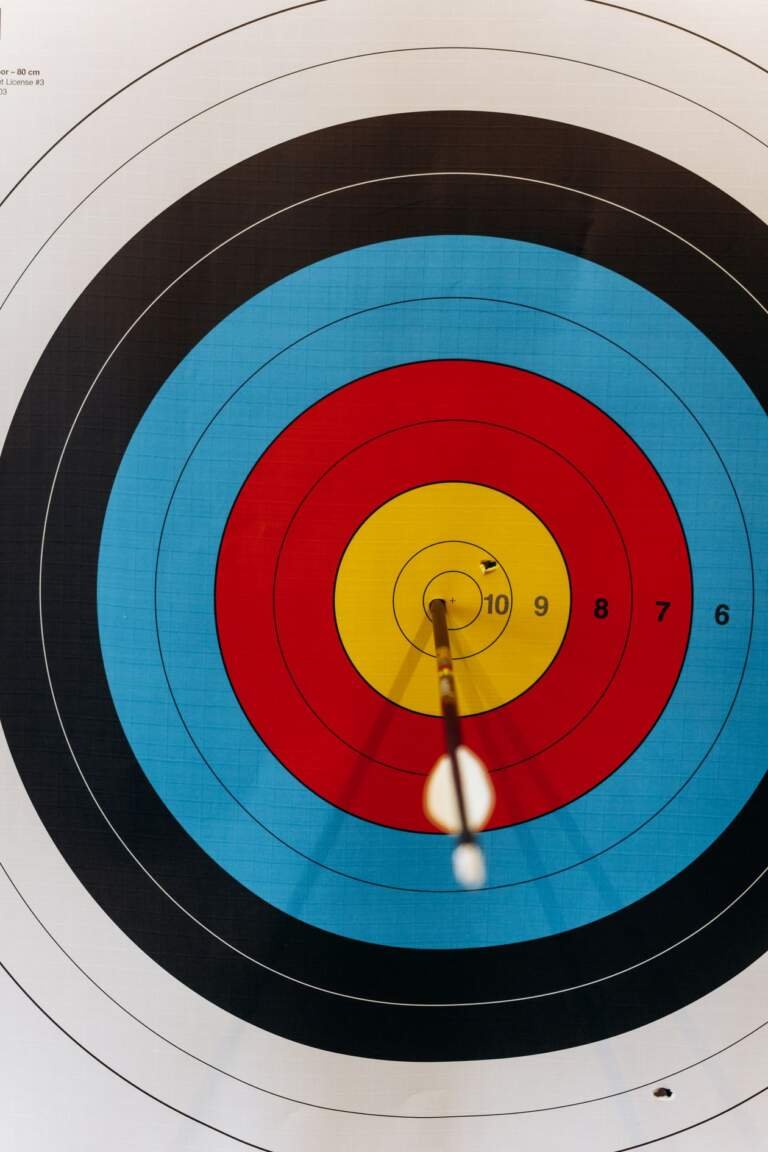
That’s why many hunters care about balance and weight, along with the usual considerations such as legal requirements, local regulations and proper training. If you’re comparing options, you can learn more about what makes one crossbow line a popular pick among hunters. Whatever you choose, practice until handling it feels natural, and follow local hunting laws and safety rules.
A few fit checks that matter outdoors:
- Carry the loaded pack for twenty minutes, not two
- Test straps and mounts with the clothing you’ll wear in the field
- Check that controls are reachable with gloves on
- Practice getting into position quietly and smoothly
- Look at total weight, not just the headline item
- Avoid buying everything at once, because you’ll learn what you actually need
The Dining Room Is a Body Experience
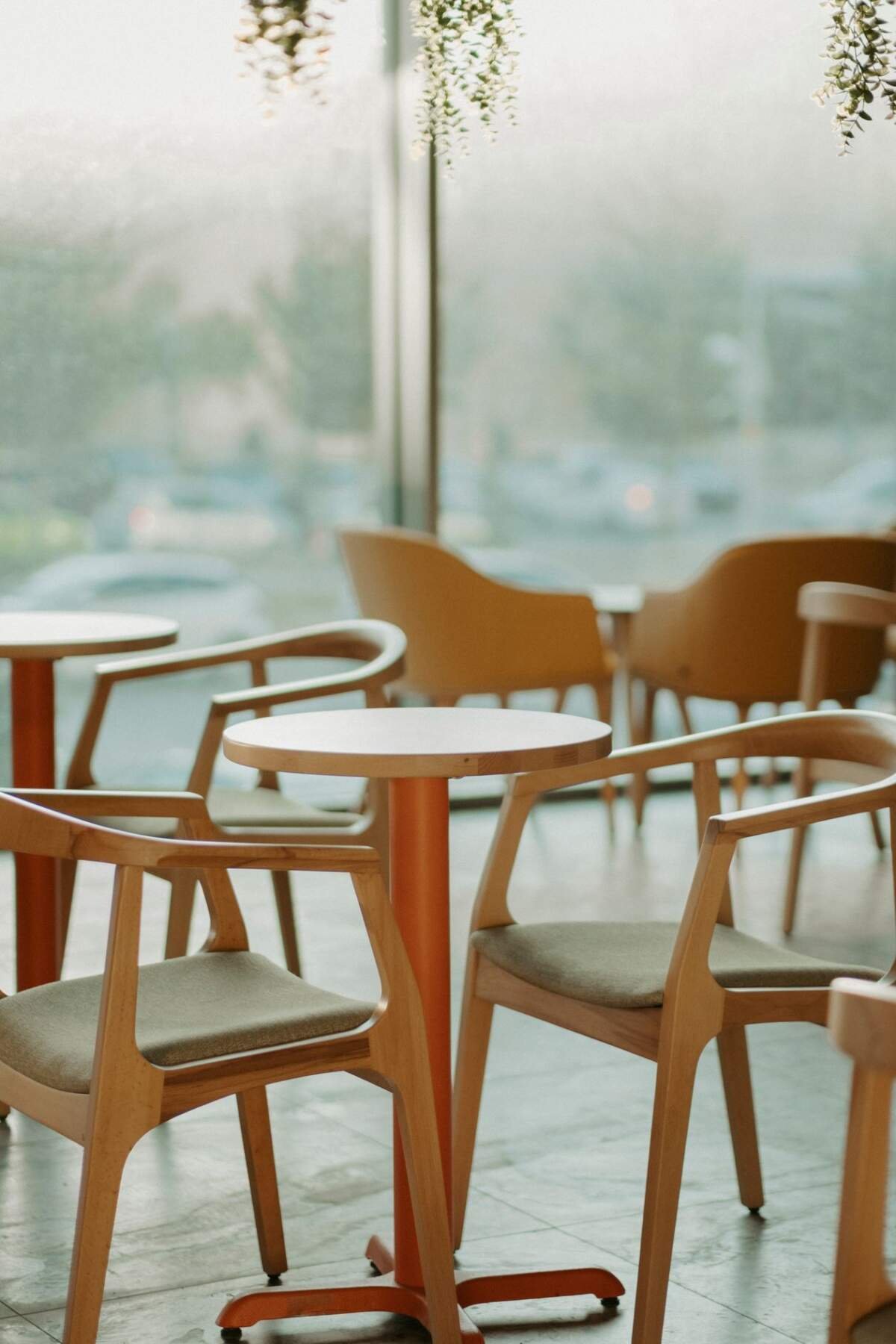
Now step inside a restaurant. Guests judge a place on food, service and atmosphere, but the chair and table quietly shape all three. A seat that’s uncomfortable shortens the meal. A table that’s too small makes sharing awkward. A wobbly leg turns a nice evening into an irritation.
Owners who think this through tend to see the payoff in how long guests stay and how relaxed they look. If you’re furnishing a café or dining room, the choice of restaurant tables and chairs is worth real attention, because furniture design has a direct effect on how memorable the experience feels.
A few things to weigh:
- Seat height and depth, tested with people of different sizes
- Table size relative to the food and the group
- Spacing, so staff and guests can move without squeezing
- Noise: hard surfaces bounce sound, soft ones soak it up
- Cleaning and durability under heavy use
- Visual warmth, because color and material change the mood
It sounds obvious, but I’ve sat in plenty of restaurants where nobody did this homework.
Comfort at a Glance
Here’s a quick comparison of where fit matters and what usually goes wrong in each setting.
| Setting | What to get right | Common mistake | Quick check |
|---|---|---|---|
| Field gear | Weight, balance, access with gloves | Buying on specs alone | Carry it loaded for twenty minutes |
| Dining room | Seat comfort, table size, spacing | Choosing by looks only | Sit in the chair for a full meal |
| Home recovery | Warmth, support, quiet | Rushing straight to the next task | Block twenty minutes with no screens |
| Desk work | Screen height, chair support | Hunching over a laptop | Check posture at the end of the day |
Notice that the “quick check” column is always an experience test, not a number.
Recovery: The Part People Skip
All of that effort, carrying, standing, sitting or serving, leaves a mark on the body. Recovery is the quiet half of performance, and most people neglect it until something hurts.
Simple things go a long way: sleep, water, gentle movement, warmth and time off your feet. Some people also add massage or foot-focused work. Reflexology, for instance, uses charts of reflexology zones on the feet and hands, which practitioners link to different parts of the body, and it’s often combined with massage as part of a recovery routine. The scientific evidence for specific medical effects is limited, though many people find it relaxing, and that has value of its own. If you have a health condition, pain that persists or an injury, see a qualified professional first.
The first time I tried a proper foot soak and a ten-minute rub after a long day on my feet, I was surprised by how much it helped me wind down. I won’t pretend it was medicine. It was a good evening, and that counts.
Buying Smart Without Overspending
Good fit doesn’t have to mean expensive. In my experience, people overspend most when they buy before they understand their own needs. They pick the premium option “just in case,” then never use half of what it offers.
A better order of operations looks like this:
- Borrow or rent first, if you can, to learn what you actually like
- Spend more on the things you touch the most, like seats, grips and footwear
- Spend less on accessories you can add later
- Read reviews for patterns, not single complaints
- Check the return policy before you click buy
- Set a ceiling before you start looking, and stick to it
It also helps to remember that comfort compounds. A chair you like gets used every day, so a little extra spent there pays back over thousands of hours. A gadget you use twice a year doesn’t.
Build a Simple Recovery Routine
You don’t need to turn it into a project. Keep it short enough to repeat:
→ After the activity: drink water, change into dry clothes and move gently
→ Same evening: warm up the feet or shoulders, whichever worked hardest
→ Before bed: low light, no screens and a regular bedtime
→ Next day: easy walking and a few stretches
If you’re sore in a way that feels different from normal fatigue, don’t push through it.
Conclusion
Comfort isn’t a luxury. It’s what lets you do more, stay longer and enjoy it more. Choose gear and furniture that fit the people using them, test before you buy and treat recovery as part of the work. The best experiences usually come from small, thoughtful details that nobody notices until they’re missing.