
Big improvements rarely come from big purchases. They come from small details that remove a recurring annoyance. A pack that sits better on your shoulders. A grip that doesn’t tire your hand. A lamp in the right corner. You stop noticing the annoyance, and you only realize how much it cost you when it disappears.
I’ve seen this play out in two very different worlds, the outdoors and the home. The principle is the same in both. Find the friction, fix it cheaply and enjoy the quiet.
Weight Is a Hidden Cost
Anyone who has hiked all day with a heavy pack knows what weight does. It doesn’t just tire your legs. It wears down patience, focus and enjoyment. By late afternoon you’re making worse decisions and noticing less around you.
Hunters feel this acutely. Early starts, long walks, hours of waiting and the need to stay alert and move quietly all add up. That’s why many people now look for a light crossbow when they’re choosing gear. Shedding weight can change how a whole trip feels, from the hike in to the final hour in the stand.
The key word is balance. Light is good, but not at the expense of safety, reliability or comfort. A very light setup that you can’t handle confidently is worse than a slightly heavier one you’ve practiced with.
Before you decide, handle the gear in person if you can, carry it loaded with a realistic pack and see how it feels after twenty minutes, not two.
Steadiness Is the Second Half of Accuracy
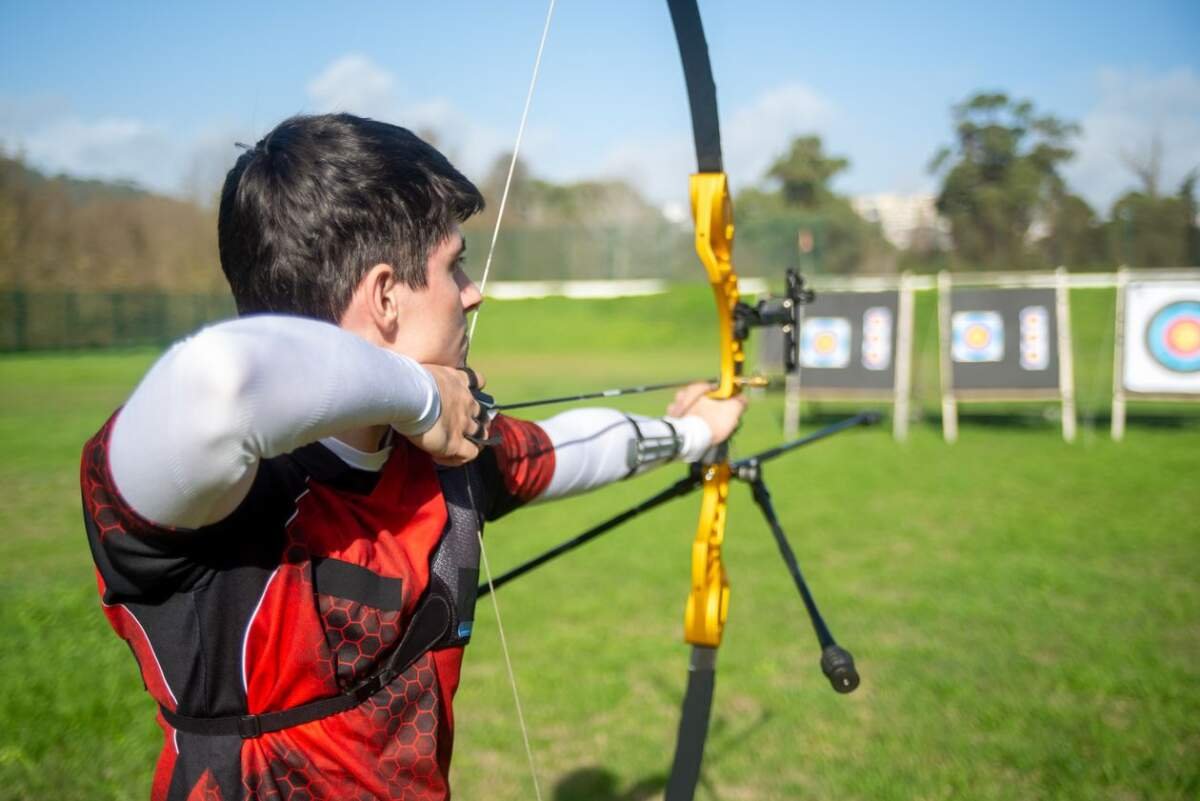
Weight is one piece. Stability is the other. Anyone who has held a position for a long time knows how fatigue creeps in and how small tremors grow. Good technique matters most, but supporting gear can help.
One often overlooked item is tripods for shooting, which are used to give a crossbow a steadier base in the field. If you’re comparing options, the main factors are height range, stability on uneven ground, weight and how quickly you can set up quietly. Always check the rules where you hunt, since regulations on equipment and methods differ from place to place.
I noticed the difference myself watching a friend practice with and without support. Without it, he tired after a few minutes and his groupings opened up. With it, he stayed consistent for much longer. It wasn’t magic. It was simply less strain.
Safety Comes Before Everything
It would be irresponsible to talk about hunting gear without saying this clearly: safety and legality are non-negotiable. Take a recognized hunter education course where required. Know your local seasons, licensing and equipment rules. Handle every weapon as if it’s loaded. Be certain of your target and what lies beyond it. Store equipment securely, away from children and unauthorized people.
Gear choices should support those habits, not replace them. A comfortable setup helps because tired people make mistakes, but no accessory is a substitute for training, judgment and care.
Gear Details That Change the Day
The table below covers common details that tend to matter more than people expect. Adjust for your own equipment and local rules.
| Detail | What it changes | A common mistake | A quick test |
|---|---|---|---|
| Overall weight | Fatigue, noise and how long you can stay out | Judging weight without a loaded pack | Carry it for twenty minutes on rough ground |
| Balance | Comfort when holding position | Ignoring how weight sits front to back | Hold it in position for a full minute |
| Support and rests | Steadiness during long waits | Buying before testing height and stability | Set up on uneven ground and check wobble |
| Straps and carry system | Comfort on the walk in | Choosing straps that dig into the shoulder | Wear them over your hunting clothes |
| Noise | Whether you disturb the environment | Overlooking clinks and squeaks | Shake and move with the gear and listen |
| Maintenance routine | Reliability season to season | Waiting for a failure | Inspect and service on a schedule |
Notice how many of these are about comfort and consistency rather than raw performance.
A Short Preseason Routine
Gear is only as good as your readiness. Before each season, I’d run through a simple list:
- Inspect every piece of equipment for wear, cracks or loose parts
- Replace anything worn instead of hoping it lasts
- Practice at realistic distances and positions
- Check licenses, tags and any rules that have changed
- Pack a small first aid kit and know where you’ll go in an emergency
- Tell someone your plan and expected return time
Spending an hour on these tasks beats losing a trip to a preventable problem. It also builds confidence, which matters more than most people admit. When you’ve checked everything twice, you stop worrying about the gear and start paying attention to the day.
The Same Idea Works at Home
Now step indoors. Home improvement advice tends to focus on big projects: renovations, new furniture, whole-room makeovers. But the biggest changes in daily comfort often come from small, almost invisible details.
A light switch in a better place. A hook by the door where keys actually land. A reading lamp with the right brightness. A drawer that closes quietly. For a good set of ideas, this website covers the small details at home that make a bigger difference than you expect.
A few cheap changes worth trying:
- Add a basket or tray where clutter naturally collects
- Swap harsh bulbs for warm ones in the rooms you relax in
- Put felt pads under chair legs to cut noise and floor scratches
- Move frequently used items to waist height, where they’re easy to reach
- Add a small mat at each entrance to catch dirt and water
- Label the shut-off valves and breaker switches so anyone can find them
None of these costs much. Together they make a home feel as though it was designed around you.
How to Find Your Own Friction
The method behind all of this is surprisingly simple. For one week, carry a note and jot down every small annoyance: the drawer that sticks, the pack strap that rubs, the chair that squeaks, the light that’s too bright. Don’t solve anything yet. Just collect.
At the end of the week, look for patterns. Pick the three annoyances that happen most often and fix the cheapest first. Most can be solved in minutes with a small purchase or a bit of effort, and the improvement is felt every single day.
Conclusion
Big changes grab attention, but small details decide how a day feels. Lighter, balanced gear makes long outings easier. Steady support reduces strain. A few thoughtful touches make a home work better. Find the friction, fix it cheaply and put safety first wherever risk is involved.