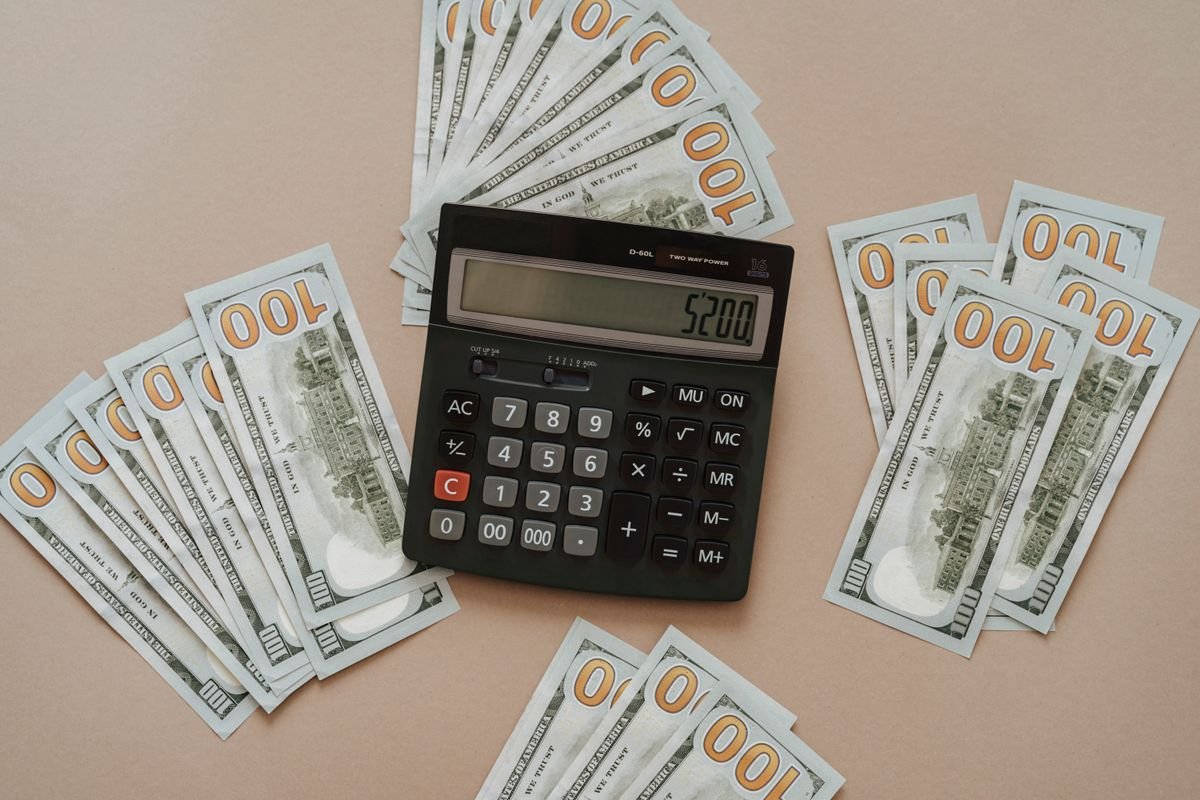

Some months the money simply doesn’t stretch. A bill arrives early, prices creep up, or income dips. The usual advice is to cut everything and tighten the belt. That works for about two weeks, and then it collapses. Frugality that feels like punishment never lasts.
Frugal Isn’t the Same as Cheap
Being frugal means spending deliberately. You choose what matters most to your family and put your money there, and you stop spending on things you barely notice. Being cheap means refusing to spend, even when spending would be the smarter choice. A frugal person buys good shoes that last for years. A merely cheap person buys the lowest price and replaces them every season.
That difference changes how a tight month feels. You’re not losing things. You’re choosing.
Start With Your Why
Before cutting anything, write down why you want to spend less right now. Maybe it’s an emergency fund, a family trip or breathing room before a big expense. A concrete reason gives you something to hold onto when a sale tempts you or a friend suggests dinner out.
Keep the note somewhere you’ll see it, like the fridge or the front of your budget notebook.
Make a Value List
Ask each person in the household: what are the three things we’d hate to give up? The answers might surprise you. Often they’re small things, such as weekend breakfast together, a good coffee at home, or a favorite hobby.
Protect those items. Then look elsewhere for savings. When you cut what you don’t value, the budget stops feeling like a loss.
Cut Quietly, Not Painfully
Start with the categories where savings are least noticeable:
- Subscriptions and memberships you rarely use
- Food waste. Plan meals around what’s already in the fridge and freezer.
- Convenience spending, like last-minute takeaway or small daily purchases
- Bills, which you can often reduce by comparing providers or asking for a better rate
- Duplicate items, such as buying new when borrowing or swapping is possible
You’ll feel these cuts far less than skipping the things on your value list.
Think in Cost Per Use
A cheap item used twice is more expensive than a pricier item used every day. Before buying, ask how often you’ll realistically use it and how long it will last. This simple habit prevents many “bargain” purchases that end up in a cupboard.
Find Joy That Costs Little
Tight months still need good moments. Plan a few that don’t need much money:
- A picnic in a local park or garden
- A family game or movie night at home
- A walk to somewhere you’ve never been in your neighborhood
- A library visit, or a book swap with friends
- Cooking a special meal together
Children often remember the time together far more than what was spent. Involving them also teaches useful lessons about choices and value.
Plan a Small Treat
Strict budgets with no breathing room tend to snap. Set aside a small, fixed amount for something you’ll enjoy. Because it’s planned, you can enjoy it without guilt, and you’re less likely to overspend later.
Beware of Comparison
Social media makes everyone’s life look polished and effortless. What you see rarely shows the budgets, borrowing or stress behind it. Spending to keep up with other people drains money fast. Remind yourself of your own list of values, and unfollow anything that pushes you into wanting more than you need.
Review Monthly and Adjust
At the end of each month, spend ten minutes looking at what worked. Did a certain cut hurt more than expected? Did a free activity turn out to be a hit? Adjust the plan for next month. Frugality works best as a habit you refine, not a rule you endure.
If Things Are Truly Hard
When a budget can’t be stretched any further, it’s reasonable to look for outside help. Local community organizations, charities and government programs may offer support, and the options depend on where you live. A qualified financial counselor can also help you plan.
Frequently Asked Questions
How do I stay frugal without feeling deprived?
Protect the few things your family values most, and cut spending you wouldn’t miss. Add planned, low-cost treats so the month still has enjoyable moments.
What’s the first thing to cut when money is tight?
Start with unused subscriptions and food waste. These usually save money without changing your daily life much.
Is it okay to spend on something I enjoy during a tight month?
Yes, if it’s planned and fits your budget. A small, deliberate treat can make the whole plan easier to follow.
How do I get my family on board?
Talk about the goal together and ask everyone to name what they value most. People cooperate more readily when they’ve helped shape the plan.
Spend on Purpose
A tight month doesn’t have to be a miserable one. Know your reason, guard the few things that matter, and trim the rest quietly. Spending less is easier when every choice points toward something you actually want.
This article is general information, not personal financial advice. For your own situation, consult a qualified financial advisor or local support service.