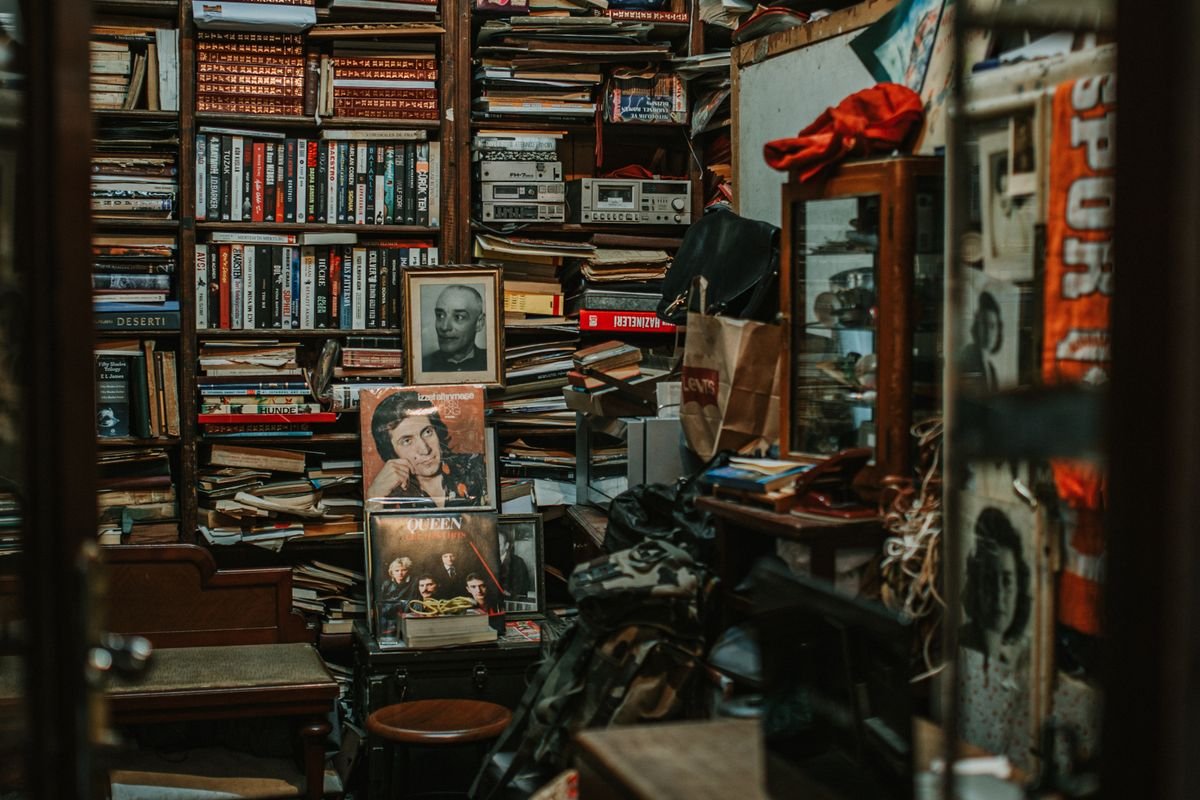

Open shelves look effortless in photos. In real life, they can turn into a crowded jumble in about a week. The difference between a styled shelf and a messy one isn’t expensive decor. It’s a handful of simple design habits.
Start With a Clean Slate
Take everything off the shelf. Wipe it down. Then sort the items into groups: books, vases and containers, frames and art, plants, and everyday objects you actually use. You’ll probably find a lot you don’t need to put back.
This step matters. A shelf can only look intentional if you choose what earns a place on it.
Choose a Simple Color Palette
Pick two or three main colors, plus one neutral. Repeat them across the shelves. A limited palette makes mismatched objects look like they belong together. You can use bolder colors in small doses, such as a single vase or a stack of book spines.
Mix Heights, Shapes and Textures
A row of identical objects can feel stiff. A better shelf has variety:
- Tall items: vases, framed art or branches
- Medium items: stacks of books or baskets
- Small items: candles in jars, ceramic bowls or small sculptures
Mix materials too. Combine wood, glass, ceramic, metal and fabric to add depth. If everything is smooth and shiny, the eye has nothing to rest on.
Use the Rule of Three
Groups of odd numbers look more natural than even ones. Arrange items in threes, with one taller piece, one medium and one small, and the grouping will feel balanced. Don’t line them up like soldiers. Stagger them slightly so they feel casual.
Leave Empty Space
This is the hardest rule and the most important one. Empty space lets the objects you chose stand out. As a guide, aim to leave at least a quarter to a third of each shelf bare. Crowded shelves look cluttered, even when every item is beautiful.
Style Books in Different Ways
Books are the backbone of most shelves, and you can use them creatively:
- Arrange some vertically and stack others horizontally.
- Use a horizontal stack as a platform for a small object.
- Group books by color for a calm, tidy look, or by size for a neat one.
- Turn a few so the covers face out if they’re attractive.
Keep the ones you read often in easy reach, and leave the decorative ones for the upper shelves.
Add Something Living
A plant brings softness and color. Trailing plants spill nicely over edges, while small upright ones add height. If light is limited, choose a hardy species, or use a good-quality artificial one. A small branch in a vase offers greenery without any care.
Include Something Personal
Style shouldn’t erase personality. Mix in a few meaningful items: a framed photo, a handmade piece, a souvenir. They give the shelf a story and stop it looking like a showroom.
Create Balance Across the Whole Unit
Step back and look at the entire unit, not just one shelf at a time. Distribute visual weight evenly. If you have a dark, heavy object on the top left, balance it with something of similar weight on the bottom right. Repeat colors across different shelves to tie them together.
Use Baskets and Boxes for Hidden Storage
Everyday items such as remotes, chargers and toys need a home that doesn’t ruin the look. Closed baskets and boxes hide them while adding texture. Label them if you need to remember what’s inside.
Refresh Instead of Rebuilding
Once the shelf is styled, don’t treat it as finished forever. Swap a few items with the seasons, rotate the books you display and move things around when you’re bored. Small changes keep the shelf looking fresh without the cost of a full redo.
Common Mistakes
- Filling every inch of every shelf
- Using too many colors or patterns at once
- Placing everything in a straight line
- Forgetting about dust, which shows more on open shelves
- Keeping items that don’t earn their spot
Frequently Asked Questions
How many items should go on each shelf?
There’s no exact number. A good rule is to leave some empty space on every shelf and keep groupings in odd numbers. If it looks crowded, remove something.
How do I style shelves with lots of books?
Mix vertical and horizontal stacks, and place small decorative objects on top of the horizontal piles. Break up long rows of books with a plant or a vase.
How do I stop open shelves from looking messy?
Limit your palette, hide small clutter in baskets and edit regularly. Dust often, and keep only items you love or use.
What colors work best on shelves?
Choose two or three colors plus a neutral, and repeat them across the unit. Match them to the room’s existing palette so the shelf feels part of it.
Edit First, Decorate Second
A well-styled shelf comes down to restraint. Clear it, choose a palette, vary heights and leave room to breathe. Then step back and remove one more thing than you think you should.
This article is general home decor information. Check weight limits and mounting guidance before loading shelves.