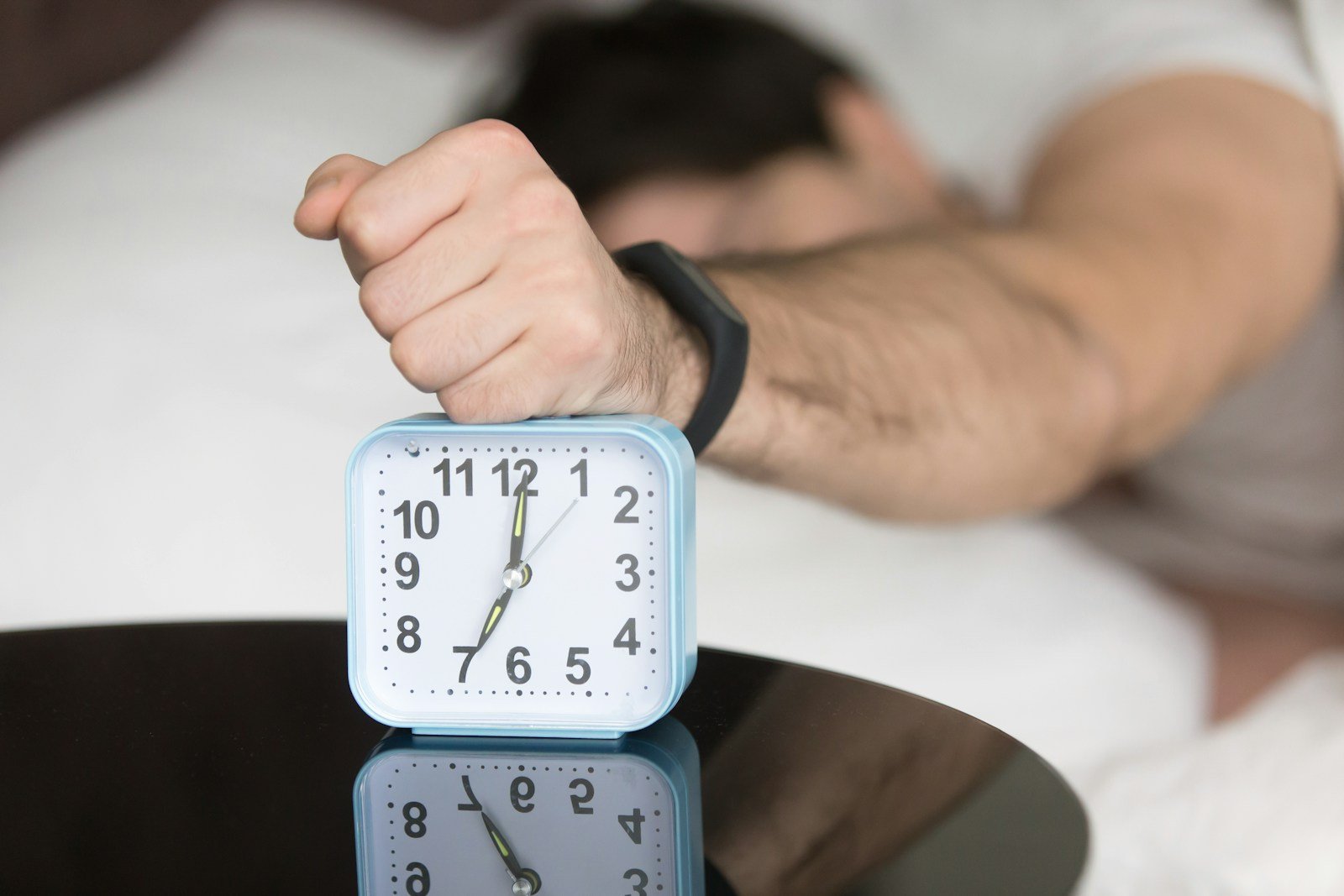

You’re exhausted constantly despite sleeping seven hours. Additionally, you wake up tired and drag through days.
Sleep training yourself improves rest quality without adding sleep time. Strategic changes create restorative sleep in the hours you already have.
Why More Hours Isn’t the Answer
Most parents can’t add sleep hours. Responsibilities and schedules fill every available moment.
Furthermore, sleep quality matters more than quantity. Eight poor-quality hours feel worse than six restorative hours.
The National Sleep Foundation found that sleep quality affects health more than duration alone. Deep, uninterrupted sleep restores bodies effectively.
Therefore, optimizing existing sleep beats trying to sleep longer. Work with reality instead of fighting it.
Understanding Sleep Cycles
Sleep happens in 90-minute cycles. Additionally, waking mid-cycle creates grogginess.
Sleep Cycle Stages:
Light sleep transitions you into rest. Furthermore, this is easily disrupted.
Deep sleep restores body physically. Additionally, growth hormone releases here.
REM sleep processes emotions and memories. Furthermore, dreaming happens during REM.
Complete cycles matter more than total time. Additionally, interrupted cycles prevent restoration.
Cycle-Based Wake Times:
Calculate backwards from wake time in 90-minute increments. Furthermore, waking between cycles feels easier.
If waking at 6am, ideal bedtimes are 9pm, 10:30pm, or midnight. Additionally, this completes full cycles.
Partial cycles leave you groggy. Furthermore, timing matters enormously.
| Bedtime | Wake Time | Total Sleep | Complete Cycles | Restoration Quality |
|---|---|---|---|---|
| 10:30pm | 6:00am | 7.5 hours | 5 cycles | Excellent |
| 11:00pm | 6:00am | 7 hours | 4.67 cycles | Poor (incomplete) |
| 11:30pm | 6:00am | 6.5 hours | 4.33 cycles | Poor (incomplete) |
| 12:00am | 6:00am | 6 hours | 4 cycles | Good |
The Sleep Environment Audit
Your bedroom affects sleep quality dramatically. Additionally, small changes create big improvements.
Temperature Optimization:
Ideal sleep temperature is 65-68°F. Furthermore, being too warm prevents deep sleep.
Use lighter bedding than feels intuitive. Additionally, your body temperature drops during sleep.
Consider cooling pillow or mattress pad. Furthermore, these help hot sleepers significantly.
Darkness Matters:
Complete darkness improves melatonin production. Additionally, even small light disrupts sleep hormones.
Blackout curtains block outside light. Furthermore, streetlights and car headlights interfere.
Cover or remove electronic lights. Additionally, device lights disrupt darkness.
Use sleep mask if needed. Furthermore, this blocks light perfectly.
Sound Control:
White noise masks disruptive sounds. Additionally, consistent sound helps some people.
Earplugs block partner snoring. Furthermore, these are cheap and effective.
Address noise sources if possible. Additionally, squeaky doors and floors need fixing.
Mattress and Pillow Quality:
Old mattresses lose support. Additionally, sagging creates pain and poor sleep.
Pillow height affects neck alignment. Furthermore, wrong pillow causes tension.
Replace pillows every 1-2 years. Additionally, these lose support quickly.
The Evening Wind-Down Ritual
Sleep begins hours before bed. Additionally, evening habits determine night quality.
The 3-2-1 Rule:
3 hours before bed: Stop eating large meals. Furthermore, digestion interferes with sleep.
2 hours before bed: Finish work and stressful activities. Additionally, cortisol needs time to lower.
1 hour before bed: Stop all screens. Furthermore, blue light suppresses melatonin.
Wind-Down Activities:
Reading physical books relaxes mind. Additionally, stories provide gentle transition.
Gentle stretching releases physical tension. Furthermore, relaxed body sleeps better.
Warm bath or shower signals sleep time. Additionally, temperature drop afterward induces sleepiness.
Journaling dumps worrying thoughts. Furthermore, this clears mind for rest.
Screen Time and Blue Light
Screens destroy sleep quality profoundly. Additionally, evening device use delays sleep onset significantly.
Blue Light Effects:
Suppresses melatonin production. Furthermore, this is your natural sleep hormone.
Keeps brain alert and engaged. Additionally, scrolling activates rather than relaxes.
Creates psychological stimulation. Furthermore, news and social media stress you.
Screen Strategies:
Stop all screens 1-2 hours before bed. Additionally, earlier is better always.
Use blue light blocking glasses if needed. Furthermore, these help shift workers.
Enable night mode on devices. Additionally, warm light is less disruptive.
Charge phones outside bedroom. Furthermore, this prevents temptation and notifications.
Caffeine and Alcohol Reality
Both substances destroy sleep quality. Additionally, timing matters enormously.
Caffeine Rules:
Caffeine half-life is 5-6 hours. Furthermore, afternoon coffee affects nighttime sleep.
Stop caffeine by 2pm maximum. Additionally, sensitive people need earlier cutoff.
Remember hidden sources. Furthermore, chocolate, tea, and soda contain caffeine.
Decaf still contains some caffeine. Additionally, it’s not completely caffeine-free.
Alcohol Truth:
Alcohol makes falling asleep easier. However, it prevents deep sleep stages.
You’ll wake more frequently. Additionally, REM sleep gets disrupted significantly.
Alcohol dehydrates you. Furthermore, this wakes you for bathroom trips.
Even small amounts affect quality. Additionally, single drink impacts sleep architecture.
Consistent Sleep Schedule
Your body craves consistency. Additionally, varying bedtimes confuses circadian rhythm.
Schedule Benefits:
Same bedtime and wake time daily. Furthermore, weekends included for best results.
Body learns when to produce sleep hormones. Additionally, this makes falling asleep easier.
Wake time matters more than bedtime. Furthermore, consistent waking resets rhythm.
Weekend Reality:
Try to stay within 1 hour of weekday schedule. Additionally, sleeping in disrupts rhythm.
If you need catchup sleep, nap instead. Furthermore, naps don’t shift schedule.
The Worry Dump Technique
Racing thoughts prevent sleep constantly. Additionally, worry management happens before bed.
Before-Bed Brain Dump:
Write everything on your mind. Furthermore, this externalizes internal chaos.
Make tomorrow’s to-do list. Additionally, this gives permission to stop thinking.
Journal about emotions or stressors. Furthermore, processing prevents midnight rumination.
Keep notebook by bed for midnight thoughts. Additionally, writing them down allows release.
Worry Time Strategy:
Designate specific worry time earlier. Furthermore, contain anxiety to scheduled period.
Remind yourself worry time already happened. Additionally, nighttime isn’t problem-solving time.
Movement and Exercise Timing
Exercise improves sleep but timing matters. Additionally, wrong timing disrupts rest.
Best Exercise Timing:
Morning exercise energizes without disrupting sleep. Furthermore, this starts day well.
Afternoon workouts work for most people. Additionally, 4-6 hours before bed is ideal.
Avoid intense exercise within 3 hours of bed. Furthermore, this raises core temperature and hormones.
Gentle movement like stretching or yoga works anytime. Additionally, this relaxes rather than energizes.
Exercise and Sleep Connection:
Regular exercise deepens sleep. Furthermore, physical tiredness promotes rest.
Consistency matters more than intensity. Additionally, daily walks beat occasional marathons.
Outdoor exercise adds sunlight benefit. Furthermore, this regulates circadian rhythm.
Napping Strategy
Strategic naps boost energy without disrupting nighttime sleep. Additionally, wrong napping destroys nights.
Nap Rules:
Keep naps under 30 minutes. Furthermore, longer naps enter deep sleep.
Nap before 3pm always. Additionally, late naps prevent nighttime sleep.
Don’t nap if you have insomnia. Furthermore, this steals nighttime sleep drive.
Nap consistently or not at all. Additionally, irregular napping confuses body.
Power Nap Technique:
Set alarm for 20-25 minutes. Furthermore, this prevents oversleeping.
Lie down somewhere comfortable. Additionally, trying to nap sitting rarely works.
Don’t worry if you don’t sleep. Furthermore, rest alone helps.
Managing Night Wakings
Waking at night is normal. Additionally, how you handle wakings determines impact.
When You Wake:
Don’t check time immediately. Furthermore, this creates anxiety about sleep.
Practice relaxation breathing. Additionally, this often returns you to sleep.
If awake over 20 minutes, leave bedroom. Furthermore, bed should equal sleep only.
Do boring activity until sleepy. Additionally, reading something dull works well.
Return to bed only when sleepy. Furthermore, don’t force sleep.
What Kills Return to Sleep:
Checking phone or scrolling. Furthermore, screens wake brain completely.
Thinking about how much sleep you’re losing. Additionally, anxiety prevents sleep.
Eating snacks. Furthermore, this teaches body to expect food at night.
Supplements and Natural Aids
Some supplements help sleep quality. Additionally, these work better than prescription sleep aids often.
Evidence-Based Options:
Magnesium glycinate relaxes muscles and nervous system. Furthermore, 300-400mg before bed helps many.
Melatonin signals sleep time. Additionally, 0.5-3mg works, not mega doses.
L-theanine promotes relaxation without sedation. Furthermore, this is amino acid from tea.
Supplement Guidelines:
Start low dose and increase slowly. Additionally, individual response varies significantly.
Take 30-60 minutes before bed. Furthermore, timing affects effectiveness.
Consult doctor if on medications. Additionally, interactions are possible.
Not all supplements work for everyone. Furthermore, experiment to find what helps.
Sleep Position Optimization
How you sleep affects quality significantly. Additionally, position impacts breathing and alignment.
Best Sleep Positions:
Back sleeping with pillow under knees. Furthermore, this aligns spine neutrally.
Side sleeping with pillow between knees. Additionally, this prevents hip rotation.
Worst Sleep Positions:
Stomach sleeping torques neck. Furthermore, this creates pain and poor breathing.
Arm above head compresses nerves. Additionally, this causes numbness.
Position Correction:
Body pillows maintain side sleeping. Furthermore, these prevent rolling onto stomach.
Training takes time and intention. Additionally, changing sleep positions is possible.
Tracking Sleep Quality
Objective data reveals patterns. Additionally, tracking guides improvement efforts.
What to Track:
Subjective morning rating 1-10. Furthermore, how you feel matters most.
Number of wakings remembered. Additionally, frequent waking indicates poor quality.
How long to fall asleep. Additionally, 10-20 minutes is normal.
Daytime energy levels. Furthermore, this reveals whether sleep is restorative.
Tracking Tools:
Simple journal works perfectly. Additionally, note patterns over weeks.
Wearable devices track automatically. Furthermore, these show cycles and stages.
Apps record movements and sounds. Additionally, these provide objective data.
When to See Sleep Doctor
Some sleep problems need professional help. Additionally, knowing when to seek help prevents suffering.
Warning Signs:
Loud snoring with breathing pauses. Furthermore, this indicates sleep apnea.
Insomnia lasting over a month. Additionally, chronic insomnia needs treatment.
Extreme daytime sleepiness despite adequate sleep time. Furthermore, this suggests sleep disorder.
Unusual movements or behaviors during sleep. Additionally, parasomnias need evaluation.
Frequently Asked Questions
How long until sleep training yourself works?
Most people notice improvements within one week. Additionally, full benefits appear after 3-4 weeks.
What if I work night shifts?
Same principles apply with inverted schedule. Additionally, consistency matters more than timing.
Can I train myself if I have insomnia?
Yes, though consider professional help too. Additionally, cognitive behavioral therapy for insomnia works best.
What about sleep aids and prescriptions?
These work short-term but don’t improve quality long-term. Additionally, dependency develops easily.
Will better sleep quality give me more energy?
Yes, dramatically so. Furthermore, restorative sleep transforms daytime function.
Implementing Sleep Training Tonight
Identify your ideal bedtime using 90-minute cycles. Additionally, calculate from required wake time.
Implement 3-2-1 rule starting tonight. Furthermore, stop screens one hour before bed.
Do complete bedroom environment audit. Additionally, address temperature, darkness, and comfort.
Set consistent wake time for next week. Furthermore, this resets circadian rhythm fastest.
Sleep training yourself improves rest quality dramatically without adding hours. Strategic changes create restorative sleep in the time you already have available.