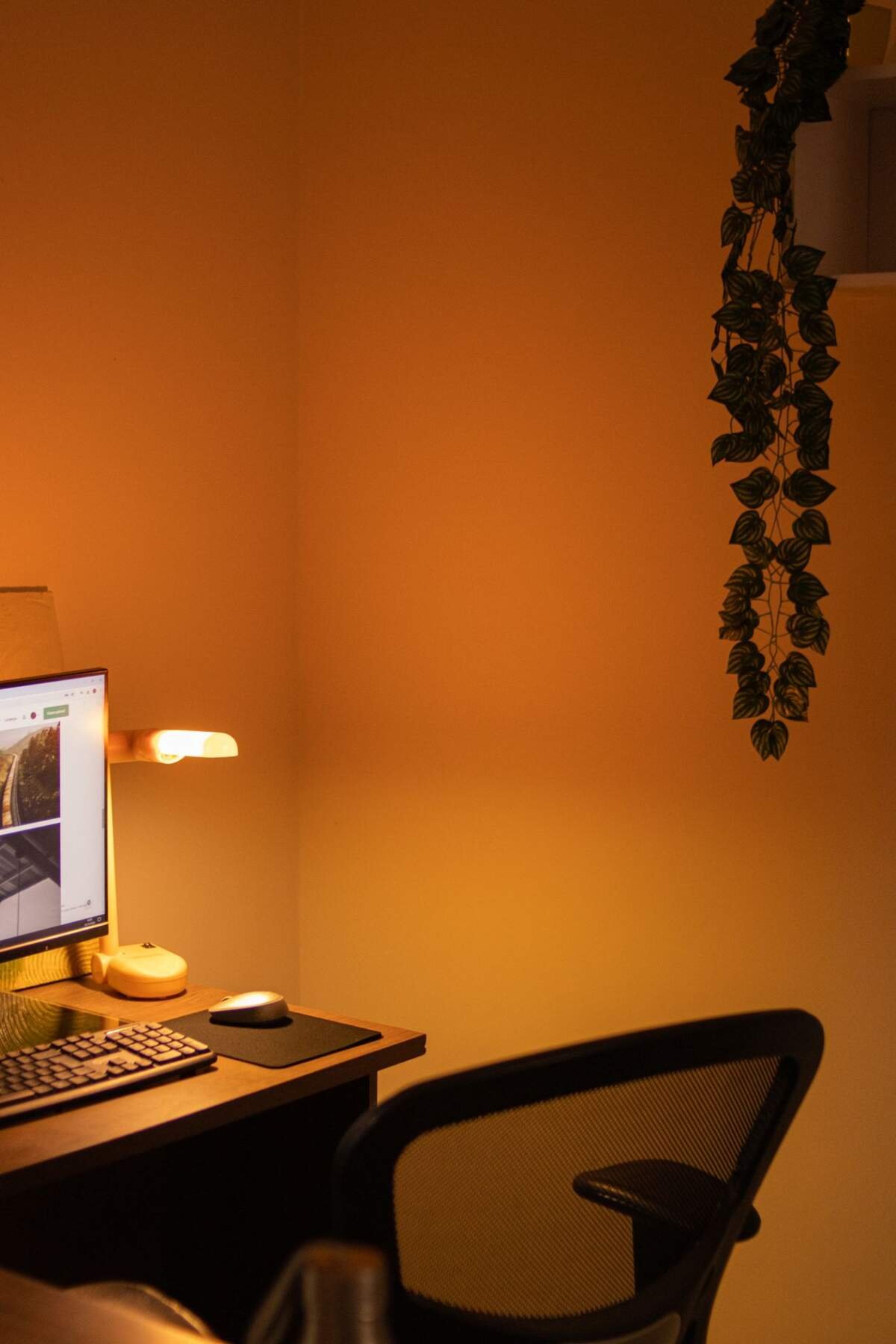

Comfort is personal in a way people rarely admit. One person needs silence and a closed door. Another wants a window and background noise. Someone else will happily work from a kitchen stool for a year and then wonder why their back hurts.
The good news is that comfort is designable. You can build it on purpose, one small decision at a time, instead of waiting for it to happen. I’ve watched people transform a cramped corner into a place they actually enjoy, and almost none of it required a big budget.
Start With How You Actually Live
Most advice about home setups begins with products. I’d start with patterns. When does your energy peak? Where do you drift when you’re tired? What distracts you, and what calms you down?
Those answers shape everything else. A night owl with a north-facing desk and a cold floor will fight the room all winter. A morning person with a sunny nook may not need much at all.
There’s a bigger idea behind this, and it’s worth a few quiet minutes. If you’re curious about building a life that feels like your own rather than a copy of someone else’s, click here for a thoughtful take. Then come back and look at your desk with fresh eyes.
A short self-audit helps. Write down:
- The three moments in your day that feel best
- The three that feel worst
- What the space looks, sounds and feels like during each
- One thing you could change about each in under an hour
You’ll find that the fixes are usually small. Lighting, temperature, seating and noise cover most of it.
The Work-From-Home Basics, Ranked
Plenty of people set up a workspace in a hurry during some past upheaval and never revisited it. That’s understandable, and it’s also expensive in back pain, poor focus and wasted time. Here’s how I’d sort the common elements by what they give you for the effort.
| Element | Why it matters | Easy fix | Effort |
|---|---|---|---|
| Seating and desk height | Posture drives fatigue and aches | Raise the screen to eye level, support the lower back | Low |
| Lighting | Eye strain and mood both follow it | Face a window if possible, add a warm lamp | Low |
| Temperature | Cold hands and warm heads wreck focus | Seal drafts, add a small heater, dress in layers | Low to medium |
| Noise | Interruptions break deep work | Headphones, rugs, a door you can close | Low to medium |
| Clutter and storage | Visual noise drains attention | One drawer for cables, a clear desktop at day’s end | Low |
| Boundaries | Work leaks into the rest of the day | A fixed stop time, a shutdown ritual | Free |
If you only fix two, make them seating and lighting. Those two touch every hour you work, so even a small improvement pays back daily.
Notice how many of these are free or nearly free. The expensive monitor arm is rarely the thing that fixes your day.
When Your Office Is the Garage or the Shed
A growing number of people work from converted garages, backyard cabins and basement corners. They’re often the quietest spaces in a property, and also the coldest. They may also sit next to water lines that were never meant to be protected from deep cold.
A work interruption caused by a frozen pipe is the kind that eats an entire week. If your setup includes a nearby line that’s exposed, one option people consider is a self regulating heat trace cable, installed with proper insulation and according to the maker’s instructions. The idea is that it adjusts its output to the conditions, so you aren’t left fiddling with it every cold night. Have a qualified person check any electrical work you aren’t sure about.
The same thinking applies to everything in that room. Heat the space you actually use, not the whole building. Insulate before you add power. And if the room feels cold at the end of the day, trust that signal instead of working through it.
What Experienced Travelers Understand About Comfort
Frequent travelers get very good at comfort because they notice what’s missing. Two weeks in a poorly heated apartment will teach you more about draft sealing than any article. Over time they build a small blueprint of the things that actually make a place livable.
Behind a comfortable building there’s also a technical layer that most guests never see, from insulation to heat tracing, and the same attention to hidden basics shows up in how experienced travelers choose where to stay and what to pack.
A traveler’s comfort kit usually covers a few things:
- Something warm, even in summer destinations
- A light source that isn’t harsh
- Earplugs or headphones
- A way to charge everything in one spot
- A small item that makes a room feel like yours, like a scarf or a photo
- A plan for when the room is too hot or too cold
Steal that list. Your home office deserves the same thoughtfulness, and so does the corner of the living room where you answer emails on a Sunday night.
Build in Small Rituals
Environment is only half of it. The other half is the rhythm of your day, and the little rituals that signal the start and end of work.
I noticed this the first time I worked from home for a full winter. Without a commute, my days blurred. What fixed it wasn’t a better chair. It was a ten-minute walk before work and another after, to mark the edges of the day.
Some rituals that people use:
- A short walk or stretch to “arrive” at work
- Clearing the desk at the end of the day
- A closing note listing tomorrow’s top three tasks
- A hot drink at the same time each afternoon
- A hard stop that no one is allowed to move, including you
- One screen-free hour before bed
Don’t copy them all. Pick the two that sound easiest and try them for a month.
Review and Adjust Every Season
Comfort isn’t a one-time project. Light changes, temperature changes, your workload changes. What felt perfect in August may feel miserable in January.
→ Autumn: check heating, seal drafts, move the desk toward light
→ Winter: watch for cold spots, protect anything near water lines
→ Spring: declutter and reset the layout
→ Summer: deal with heat, glare and airflow
The point isn’t perfection. It’s staying responsive to the way you really live, instead of defending a setup you built two years ago and never questioned.
Conclusion
A comfortable life is designed, not stumbled into. Start from your own patterns, fix the cheap things first, protect the space from the cold and keep small rituals that mark the edges of the day. Do that, and the place where you live and work starts to feel like it belongs to you.