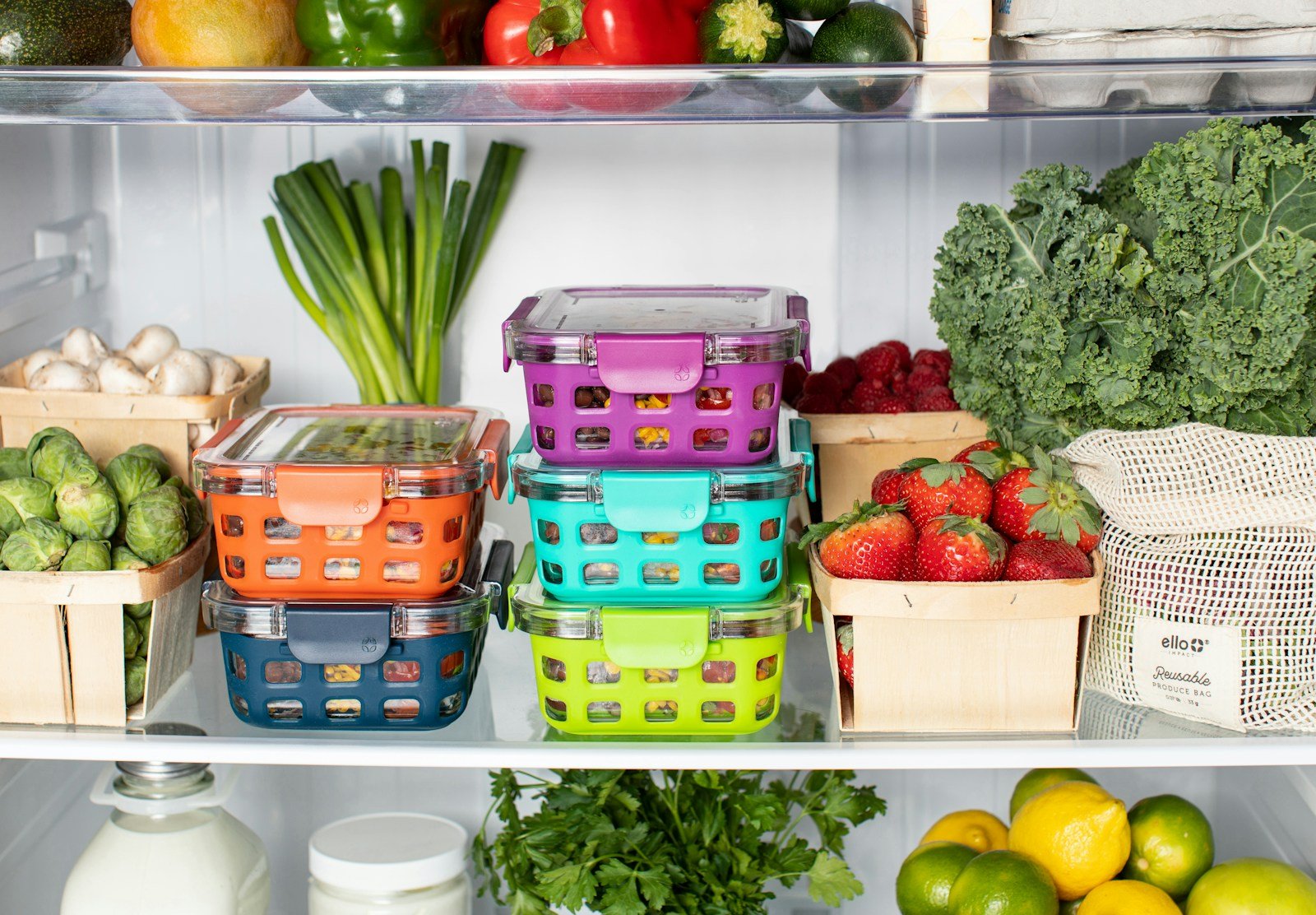

Dinner time brings daily panic and stress. You stare at the fridge wondering what to make with zero energy.
Three-hour meal prep creates 15 complete meals. Additionally, this eliminates daily cooking decisions and expensive takeout temptation.
Why Traditional Meal Prep Fails Moms
Pinterest meal prep looks beautiful and complicated. Furthermore, most tutorials assume unlimited time and perfect kitchen tools.
Real moms need simple, fast, and flexible systems. Elaborate preparations get abandoned after one overwhelmed Sunday.
Therefore, this method prioritizes speed and simplicity. You’ll use basic ingredients, minimal dishes, and straightforward recipes.
The 15-Meal Strategy
Fifteen meals feeds a family of four for nearly two weeks. Additionally, this includes five dinner types prepared in triplicate.
Why This Works:
Making three portions of five recipes beats making fifteen different meals. Batch cooking saves massive time.
Furthermore, variety prevents boredom without complexity. Five different flavors satisfy everyone adequately.
Reheating takes 10 minutes. Additionally, even exhausted weeknights become manageable with ready meals.
Choosing Your Five Core Recipes
Select recipes meeting specific criteria. Wrong recipe choices doom meal prep before starting.
Recipe Requirements:
Must freeze well without texture loss. Additionally, avoid recipes with dairy-heavy sauces that separate.
Requires single pan or pot maximum. Multiple-dish recipes create cleanup nightmares.
Furthermore, ingredients should overlap. Using same vegetables across recipes reduces shopping costs.
Prep time under 20 minutes per batch. Total active cooking stays under three hours.
Winning Recipe Categories:
Slow cooker proteins work perfectly. Chicken, beef, or pork cook while you prep other meals.
Sheet pan dinners need minimal effort. Additionally, everything roasts together simultaneously.
Soup and chili freeze beautifully. Furthermore, these stretch ingredients economically.
Casseroles portion easily. Ground meat casseroles satisfy families consistently.
Stir-fry components prep quickly. Additionally, vegetables and proteins separate until serving.
| Recipe Type | Prep Time | Cook Method | Freezer Life | Reheating Ease |
|---|---|---|---|---|
| Slow cooker | 10 min | 4-6 hours | 3 months | Excellent |
| Sheet pan | 15 min | 25-30 min | 2 months | Good |
| Soup/chili | 15 min | 30-45 min | 4 months | Excellent |
| Casserole | 20 min | 30-40 min | 3 months | Excellent |
| Stir-fry | 15 min | 15 min | 2 months | Good |
Sample Five-Recipe Set
Here’s a proven combination that works for most families. Additionally, ingredients overlap significantly for efficiency.
Recipe 1: Slow Cooker Salsa Chicken
Chicken breasts, jar of salsa, taco seasoning. That’s literally it.
Cook 6 hours on low. Shred and divide into three portions.
Furthermore, serve over rice, in tacos, or with vegetables. Versatility prevents boredom.
Recipe 2: Sheet Pan Sausage and Vegetables
Sausage links, bell peppers, onions, potatoes. Cut everything, toss with oil, roast.
Additionally, this cooks while you prep other meals. Minimal attention required.
Recipe 3: Beef and Bean Chili
Ground beef, canned beans, tomatoes, chili powder. Brown meat, add everything, simmer.
Furthermore, chili improves in freezer. Flavors develop more fully over time.
Recipe 4: Chicken and Rice Casserole
Cooked chicken, rice, cream of mushroom soup, mixed vegetables. Mix and bake.
Additionally, this uses leftover chicken from recipe 1. Maximum ingredient efficiency.
Recipe 5: Ground Beef Stir-Fry Kits
Cooked ground beef, frozen stir-fry vegetables, teriyaki sauce. Prep components separately.
Furthermore, actual cooking happens at serving time. These are assembly kits, not complete meals.
The Three-Hour Timeline
Strategic timing makes three hours sufficient. Additionally, multitasking different cooking methods simultaneously.
Hour 1: Prep and Start
0-15 minutes: Start slow cooker chicken. This cooks for remaining time.
15-30 minutes: Brown all ground beef. Additionally, season for both chili and stir-fry.
30-45 minutes: Chop all vegetables. Furthermore, divide for different recipes as you go.
45-60 minutes: Start chili simmering. Begin sheet pan prep.
Hour 2: Cooking and Assembly
60-75 minutes: Sheet pan goes in oven. Start rice for casserole.
75-90 minutes: Assemble casseroles while monitoring other dishes. Additionally, rotate tasks as timers ding.
90-105 minutes: Shred slow cooker chicken. Furthermore, divide into portions immediately.
105-120 minutes: Portion stir-fry components. Package everything systematically.
Hour 3: Finishing and Storage
120-135 minutes: Let everything cool slightly. Additionally, prepare storage containers.
135-165 minutes: Package all meals properly. Furthermore, label everything clearly.
165-180 minutes: Clean kitchen and organize freezer. Final hour includes cleanup time.
Essential Equipment
Meal prep doesn’t require specialty tools. However, certain items make process significantly easier.
Must-Haves:
Slow cooker or Instant Pot. Additionally, this cooks protein while you work.
Two large sheet pans. Doubling recipes requires duplicate pans.
Furthermore, large stockpot for chili. Six-quart minimum for batch cooking.
15-20 storage containers. Matching lids prevent frustration later.
Aluminum foil pans for casseroles. These freeze and heat perfectly.
Nice-to-Haves:
Food processor for chopping. Additionally, this cuts vegetable prep time dramatically.
Vacuum sealer prevents freezer burn. Furthermore, meals stay fresh months longer.
Kitchen timer or phone timer. Multiple dishes need monitoring simultaneously.
Shopping for Meal Prep
Efficient shopping makes prep day possible. Additionally, forgotten ingredients ruin entire plans.
Shopping Strategy:
Make detailed list organized by store section. Furthermore, check pantry before shopping.
Buy in bulk where possible. Three pounds of chicken costs less per pound than one.
Additionally, choose frozen vegetables. These are pre-cut, cheaper, and equally nutritious.
Generic brands work perfectly. Name brand ingredients don’t improve meal prep dishes.
Sample Shopping List:
Proteins: 6 chicken breasts, 3 pounds ground beef, 2 pounds sausage
Vegetables: 6 bell peppers, 4 onions, 3 pounds potatoes, frozen mixed vegetables
Pantry: salsa, taco seasoning, chili powder, cream of mushroom soup, teriyaki sauce
Additionally: rice, canned beans, canned tomatoes, cooking oil
Container and Labeling System
Proper storage prevents freezer burn and confusion. Additionally, organization makes reheating effortless.
Container Choices:
Glass containers for meals reheating in oven. Additionally, these last forever and clean easily.
Plastic containers for microwave reheating. BPA-free options prevent chemical leaching.
Furthermore, aluminum pans for casseroles. These go from freezer to oven directly.
Freezer bags for soups and chili. Flat storage saves freezer space significantly.
Labeling Requirements:
Write meal name clearly. Additionally, include date prepped.
Note cooking instructions. “Oven 350°F for 30 minutes” saves future confusion.
Furthermore, list any needed additions. “Serve over rice” or “Add sour cream.”
Use permanent marker on tape. Labels written on containers wash off eventually.
Freezing Best Practices
Proper freezing maintains quality for months. Additionally, bad freezing creates freezer-burned waste.
Freezing Rules:
Cool completely before freezing. Furthermore, hot food creates ice crystals that ruin texture.
Remove as much air as possible. Additionally, air exposure causes freezer burn.
Freeze flat when using bags. Flat meals stack efficiently and thaw faster.
Don’t overfill containers. Furthermore, food expands when frozen and needs space.
Thawing Methods:
Transfer to fridge 24 hours before needed. This remains safest thawing method.
Additionally, some meals reheat from frozen. Soups and casseroles often work frozen.
Microwave defrost setting works for quick needs. Furthermore, this sacrifices some texture quality.
Reheating Instructions
Different meal types require different reheating approaches. Additionally, proper reheating prevents dried-out disasters.
Microwave Reheating:
Pierce container cover to vent steam. Additionally, microwave on 70% power for even heating.
Stir halfway through heating time. Furthermore, this prevents cold spots.
Let stand 2 minutes after heating. Continuing cooking happens during standing time.
Oven Reheating:
Preheat oven to 350°F always. Additionally, cover casseroles with foil to retain moisture.
Heat 25-35 minutes until internal temperature reaches 165°F. Furthermore, remove foil last 5 minutes for crispy tops.
Stovetop Reheating:
Best for soups, chili, and stir-fries. Add splash of water if needed.
Additionally, heat on medium-low stirring occasionally. Patience prevents scorching.
Preventing Prep Day Burnout
Three hours feels manageable initially but becomes exhausting. Additionally, strategic breaks prevent abandoning halfway through.
Energy Management:
Eat protein-rich breakfast before starting. Furthermore, hunger makes everything feel harder.
Set up music or podcast playlist. Additionally, entertainment makes time pass faster.
Invite friend or partner to help. Furthermore, company makes work feel lighter.
Take 10-minute break each hour. Sit down, hydrate, and rest briefly.
When to Split Prep:
If three hours feels overwhelming, split into two sessions. Additionally, prep ingredients Saturday, cook Sunday.
Or prep five meals one week, different five next week. Furthermore, smaller batches feel more manageable.
Do slow cooker meals one day, baking meals another. Split by cooking method rather than timeline.
Customizing for Dietary Needs
Basic meal prep adapts to various dietary restrictions. Additionally, simple substitutions make recipes work.
Common Adaptations:
Gluten-free: Use rice instead of pasta. Additionally, check sauce ingredients carefully.
Dairy-free: Coconut milk replaces cream. Furthermore, skip cheese or use alternatives.
Low-carb: Double vegetables, skip rice and potatoes. Additionally, cauliflower rice works well.
Vegetarian: Beans and lentils replace meats. Furthermore, cooking times often shorten.
Kid-Friendly Modifications
Picky eaters require strategic approaches. Additionally, involving kids increases acceptance.
Making Meals Kid-Approved:
Keep seasonings mild initially. Furthermore, adults can add spice at serving time.
Separate components when possible. Kids can skip vegetables they hate.
Additionally, let kids help with prep. They eat what they helped make.
Include one guaranteed kid-pleaser. Every prep session needs one meal they’ll definitely eat.
Maintaining Motivation
First meal prep feels exciting. Additionally, maintaining routine requires intentional motivation.
Staying Consistent:
Calculate money saved monthly. Furthermore, seeing $400 savings motivates continued effort.
Track time saved on weeknights. Thirty minutes daily equals 15 hours monthly.
Additionally, photograph your full freezer. Visual evidence of accomplishment feels rewarding.
Schedule prep day like appointments. Furthermore, calendar blocking prevents skipping.
Frequently Asked Questions
What if my family doesn’t like leftovers?
These aren’t leftovers; they’re pre-made meals. Additionally, freezing makes them feel fresh.
Can I prep for just weekday dinners?
Absolutely. Five meals covers Monday through Friday perfectly.
What about side dishes?
Keep simple: bagged salads, frozen vegetables, or rice. Additionally, mains provide bulk of nutrition.
How long do these meals stay good frozen?
Two to four months depending on meal type. Furthermore, label dates to track freshness.
Can I double this for more meals?
Yes, but increase time to 4-5 hours. Additionally, larger batches need bigger equipment.
Starting Your First Prep Session
Choose next Sunday for your first attempt. Additionally, block three uninterrupted hours on calendar.
Create shopping list from your five chosen recipes. Furthermore, shop Saturday to maximize Sunday prep time.
Gather all necessary containers and labels. Additionally, clear freezer space before starting.
Tell family you’re unavailable during prep time. Furthermore, assign someone else kid duty completely.
Meal prep for overwhelmed moms isn’t about perfection. Three hours weekly creates 15 meals, eliminates daily stress, and saves hundreds monthly on takeout.