
Nobody throws a party for the pipe that didn’t burst. Nobody celebrates the ice dam that never formed or the doctor’s visit that never turned into an emergency. Prevention is invisible when it works, and that’s exactly why we keep underfunding it.
I’ve watched people spend four figures on a repair they could have dodged for the price of a weekend’s effort. It happens with houses, with bodies and with trips. The pattern is always the same.
The Strange Math of Prevention
Fixing a problem feels productive. You call someone, you spend money, you see a result. Preventing one feels like paying for nothing, because the “result” is a disaster that never occurred. Our brains aren’t wired to reward that.
But run the numbers honestly. A modest, regular cost against a large, irregular one. Most of the time it’s not even close. A small yearly check-up bill sits next to a hospital stay. A few hours of winter prep sits next to a ceiling collapse. The gap is huge, and it’s hiding in plain sight.
Here’s the thing I keep coming back to: prevention is almost always cheaper, but it only works if you do it before you feel the need. That’s the hard part.
What Snow Does to a Roof
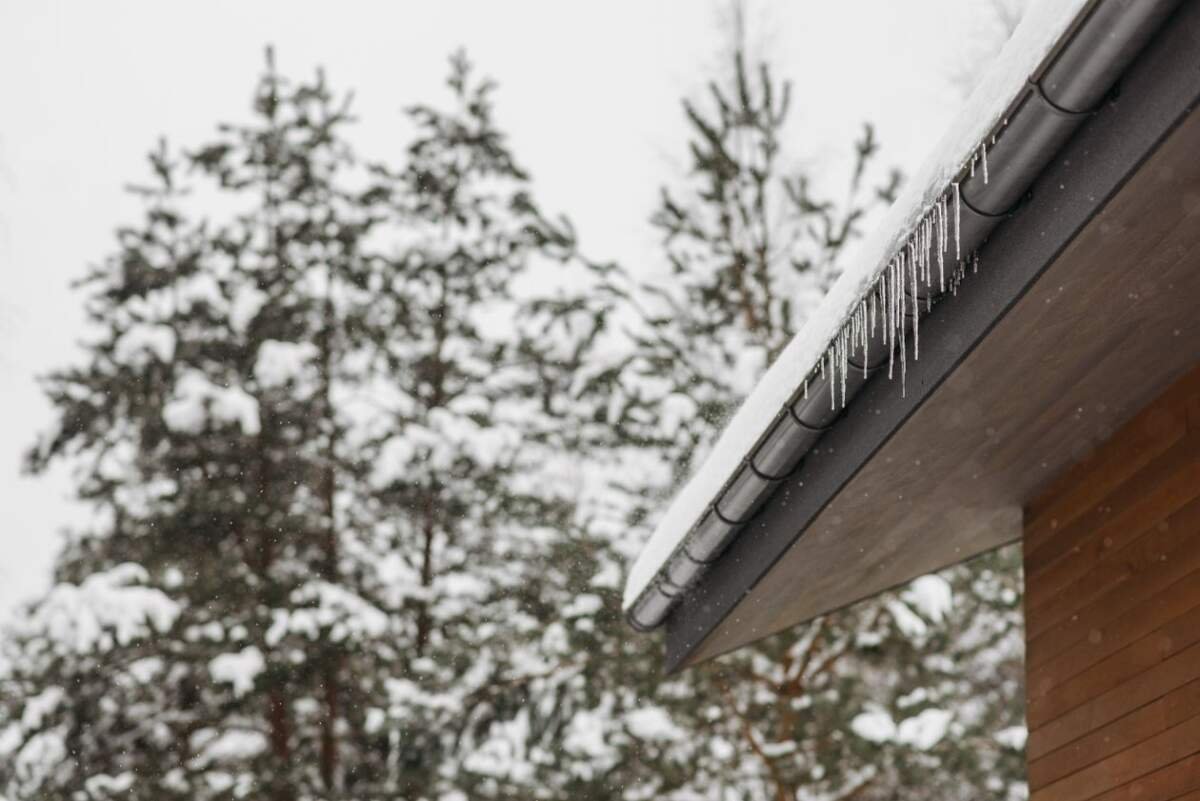
Take winter. Snow on a roof isn’t the real villain. Meltwater is. Heat escaping from the house warms the roof surface, snow melts, and the water runs down until it hits the cold edge of the eaves, where it refreezes. Over a few weeks that ridge of ice grows. Water backs up behind it, finds its way under shingles and ends up in your ceiling.
Most people get this wrong by treating ice dams as a one-time emergency. They’re a seasonal pattern, and they come back every year in the same spots.
Before the first snowfall, decide how you’ll handle ice at the roof edge, whether that means better insulation, proper ventilation or roof heating. And decide it the way a seasoned traveler plans a trip, with a strategy instead of a scramble. Scrambling is what you do when the water is already inside.
A few questions worth asking before you commit to any fix:
- Where does warm air leak into the attic?
- Is the attic insulated and ventilated well enough?
- Which sections of the roof edge ice up first every year?
- Are the gutters and downspouts clear before the freeze?
- Who will you call, and how fast can they come?
- Has anyone looked at the roof since last winter?
Fix the cause first. Add protection second.
The Pipe Problem Nobody Wants to Think About
Roofs aren’t the only winter weak spot. Pipes in garages, crawl spaces, exterior walls and outbuildings freeze quietly, and the damage often appears after the thaw, when the cracked section starts leaking.
The standard protection is insulation plus a heating element. Products like heat trace tape are used to keep vulnerable lines above freezing, and the cost is small compared with a flood repair. It’s the same logic as a routine check-up costing a fraction of an emergency room visit. You pay a little now to avoid paying a lot later.
Whatever you choose, follow the installation instructions closely and have a qualified person look at anything you aren’t sure about. Heating products used incorrectly can create problems of their own, and insulation matters just as much as the heat source.
Prevention Lives in Your Body Too
The same mindset applies to health, and men in particular tend to wait until something feels wrong. Low energy, poor sleep, a stubborn gut and a short temper get shrugged off as “just getting older.” Sometimes they are. Sometimes they’re signals worth checking.
Plenty of men go looking for natural ways to support healthy testosterone levels. For practical ideas on that, click here. The basics that keep coming up in general health advice are boring, which is a good sign. They’re sleep, strength training, a sensible diet, stress control and not overdoing alcohol.
I’ll be clear about one thing. Lifestyle changes are a foundation, not a diagnosis. If you’re persistently tired, losing interest in things you used to enjoy or noticing changes that worry you, talk to a doctor and get proper testing. Guessing from the internet is its own kind of expensive mistake.
The Habits That Actually Move the Needle
When I ask people what actually helped, the answers are rarely exciting. They’re a short list of repeatable behaviors:
- Protecting sleep like it’s a work meeting
- Lifting something heavy two or three times a week
- Eating real food most of the time, without turning it into a religion
- Walking daily, even when it’s cold
- Seeing a doctor on a schedule instead of only when sick
- Cutting back on the things you already know are not helping
Notice that nothing here costs much. A pair of shoes, a bit of time, a calendar reminder. The barrier isn’t money, it’s consistency. That’s also true of pipes and roofs, where a ten-minute walk-around in October beats a weekend of cleanup in February.
Build a Prevention Calendar
The best trick I’ve found is to stop relying on memory. Put prevention on a schedule, the way you would a bill.
→ Autumn: check insulation, clear gutters, inspect exposed pipes, test any protection systems
→ Winter: watch for ice at the roof edge, keep heat on in unused rooms, check pipes during cold snaps
→ Spring: look for damage from the season and fix small things before they grow
→ Yearly: book a health check-up and review sleep, exercise and stress habits
You don’t have to do everything at once. Pick one task per season and make it automatic. After a couple of years, you’ll realize the emergencies have quietly stopped showing up.
Prevention also changes how you feel. There’s a calm that comes from knowing the pipes are covered, the roof edge is sorted and your own health has been looked at. You stop bracing for the call you didn’t want to get.
Spend Where It Counts
If budgets are tight, rank your risks. Ask which failure would hurt the most and cost the most, then spend your first dollars there. For many homeowners that’s water. For many people in midlife it’s a long-delayed medical check. Either way, the answer usually isn’t a gadget. It’s an honest look at what’s most likely to go wrong.
And be careful about false savings. Skipping a small fix to “save money” is just borrowing from the future at a terrible interest rate.
Conclusion
Prevention doesn’t make for exciting stories, and that’s the whole point. A roof that sheds water, pipes that stay unfrozen and a body that’s been looked after all share one feature: someone acted early. Pick one thing this month, do it before you need to, and enjoy the quiet.