
Winter hazards at home fall into two camps. The dramatic ones, like a roof leak pouring into a bedroom, and the sneaky ones, like a patch of ice on the one step everyone uses. Both cause real harm. The sneaky kind often does more, because it catches people who weren’t expecting trouble.
What links them is attention to detail. A well-chosen fix installed badly does less than a modest fix installed properly. I’ve seen both, and the difference was almost always in the small stuff.
Understanding the Ice Dam Problem
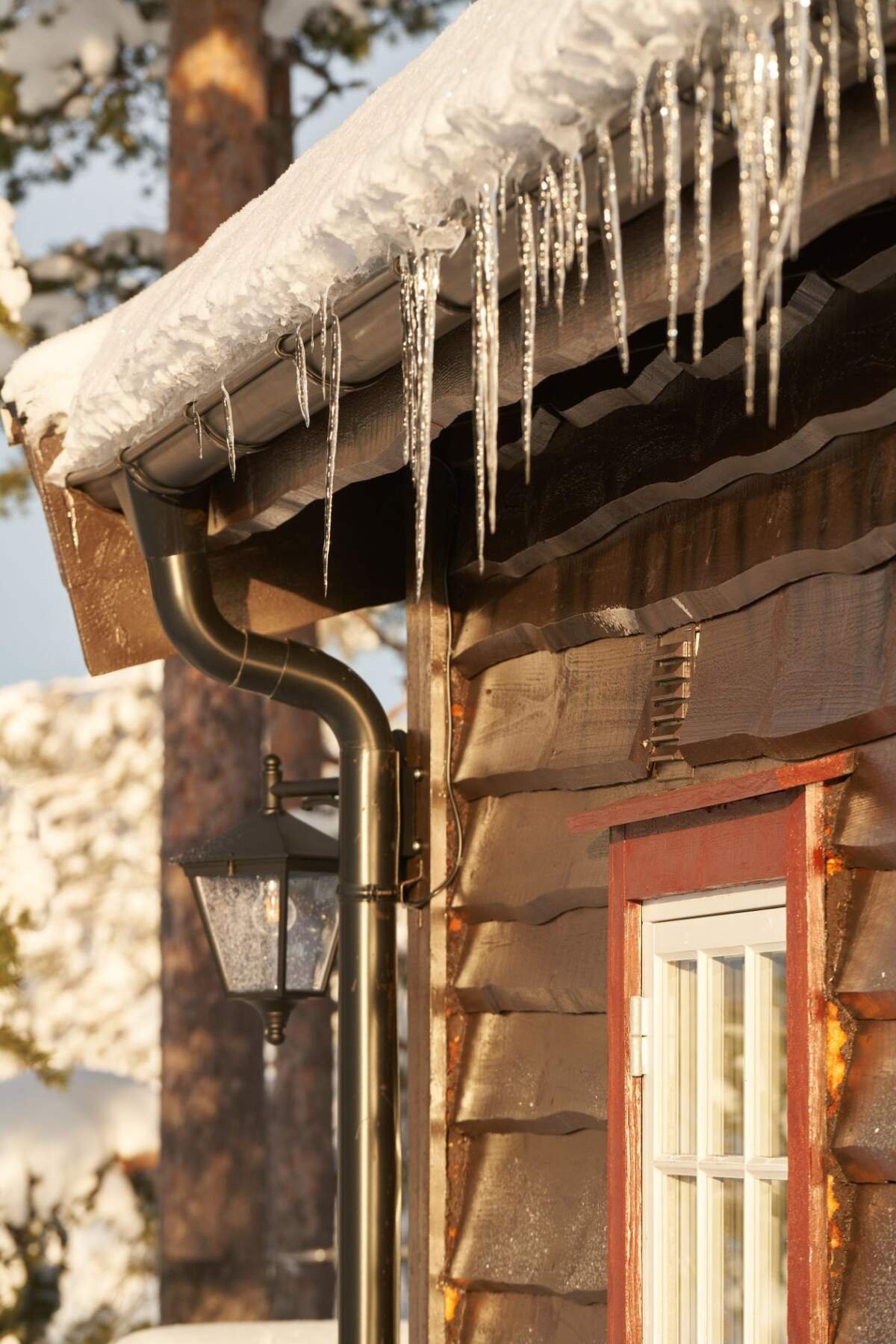
Ice dams look like a roof problem, but they begin inside the house. Warm air leaks into the attic, heats the underside of the roof and melts snow. The meltwater runs down to the cold edge of the eaves and refreezes. Over time a ridge of ice builds up, and the water behind it has nowhere to go but under the shingles.
So when you’re comparing roof ice dam solutions, the question to ask first is where the heat is coming from. Treating the symptom without fixing the leak means the same problem returns next winter.
Here’s roughly how the options stack up, from root cause outward:
- Air-seal the attic floor around lights, hatches and pipe penetrations
- Add insulation to the recommended level for your region
- Check that soffit and ridge ventilation are open and unblocked
- Clear snow from the lower roof edge using a long-handled roof rake from the ground
- Consider a professional approach for removing existing ice, since chipping at it can damage shingles
- Look at heated edge systems as a supplement, not a replacement for the steps above
None of this is glamorous, but the order is the point. Fix the cause, then add a safety net.
The Hazard That Stops Independence
Now shift from the roof to the front step. For many households, particularly those adapting a home after injury, illness or service-related disability, winter can turn an ordinary entrance into a barrier. A ramp that’s safe in July can be treacherous in January, and a single icy step can mean being stuck inside.
Accessibility changes are about restoring independence, and they work best when weather is part of the plan from the start. Wider doorways, handrails at the right height, level thresholds and reliable lighting all matter. So does keeping surfaces clear. Some people add heating cables to ramps, steps or short walkways so that snow and ice melt before anyone needs to cross them. Those systems need correct design, power supply and installation, and they’re best handled by someone qualified who can also confirm local code requirements.
If you’re helping someone modify a home, ask them what a hard winter day actually looks like. The answers are more useful than any checklist.
A Room-by-Room Safety Table
Here’s a quick way to scan a house for winter risk. It isn’t exhaustive, but it covers the places I’d check first.
| Area | Winter hazard | Practical fix | Who to involve |
|---|---|---|---|
| Roof edge | Ice dams and water intrusion | Seal and insulate attic, keep eaves clear | Roofer or insulation specialist |
| Entry steps | Ice and loose handrails | De-ice, tighten rails, improve lighting | You, or a handyperson |
| Ramp or walkway | Slippery surface, drifting snow | Traction surface, snow plan, melting system if suitable | Accessibility contractor |
| Exposed pipes | Freezing and bursting | Insulate, protect with approved products | Plumber |
| Bathrooms | Cold floors and slips | Non-slip mats, grab bars, warm floor options | Handyperson or electrician |
| Driveway edge | Black ice at the slope | Salt or sand, regular clearing | You |
Run your eye down the last column. Not every fix is a DIY job, and knowing when to call someone is a skill in itself.
Why Precision Matters More Than You Think
Here’s a story you’ll hear from anyone in construction. A handrail is installed with fasteners tightened by feel. It looks fine, feels solid and holds up for a season. Then a person leans on it hard one icy morning and it shifts.
Torque, the amount of twisting force applied to a fastener, is one of those details that sounds boring until it fails. Too loose and a joint works free over time. Too tight and you can crack material or strip threads. Manufacturers treat this seriously, which is why precise torque measurement is a whole discipline. To see how much attention industry pays to it, click here.
For homeowners the lesson is practical:
- Follow the manufacturer’s tightening guidance for anything load-bearing
- Use the right fasteners for the material, not whatever’s in the drawer
- Anchor handrails and grab bars into solid framing, not just drywall
- Recheck them each season, because wood and metal shift with temperature
- Replace worn or rusted hardware instead of tightening it again
- Ask a professional if the load matters and you’re unsure
I noticed this when I helped a relative check a ramp railing one autumn. Three of the bolts had backed out slightly. Nothing was broken, and nothing was safe either. Ten minutes with the right tool fixed it.
Build a Simple Winter Safety Routine
You don’t need to audit the whole house. A short routine does most of the work:
→ Before winter: seal attic leaks, test lighting, tighten rails, inspect exposed pipes
→ During winter: keep entrances clear, watch the roof edge, check traction on steps
→ After winter: look for damage, log what you found and fix small things early
Keep it on a calendar. Safety works because it’s boring and regular, not because you were inspired on one particular weekend.
If you share a home with someone who has limited mobility, make the routine a shared plan. Agree who clears the entrance, who checks the ramp and what the backup is when weather turns bad. A plan agreed in calm weather saves arguments in a storm.
Budget for the Boring Stuff
People hesitate over these jobs because they feel like spending money on nothing. But compare costs honestly. A weekend of attic sealing sits next to a ceiling replacement. A traction treatment for steps sits next to a fall that ends in a hospital. Preventing the harm is nearly always the cheaper route.
If funds are tight, prioritize by consequence. Start with anything that could cause a serious injury, then move to what could cause structural damage, then comfort. That ordering keeps the worst outcomes off the table first.
Conclusion
Winter safety is built from small, correct details: heat kept out of the attic, a ramp that stays clear and a handrail that holds. Fix causes before symptoms, bring in help where it matters and make the checks routine. The reward is a home that works for everyone in it, even on the worst day of the year.