
The upgrades that change daily life are rarely the loud ones. Nobody posts a photo of a better pipe fitting or a calibrated instrument. Yet the quiet improvements are the ones that make a space feel easy, a result feel trustworthy and a business feel reachable.
I keep a rough rule for myself. If an upgrade removes a recurring worry, it’s probably worth more than it costs. If it only adds a feature, it usually isn’t.
The Luxury You Don’t Notice
Stay in a hotel that gets everything right and you’ll struggle to describe why. The room is just comfortable. Water is hot when you want it, floors aren’t icy, nothing hums or rattles. That ease is engineered, and much of it sits out of sight.
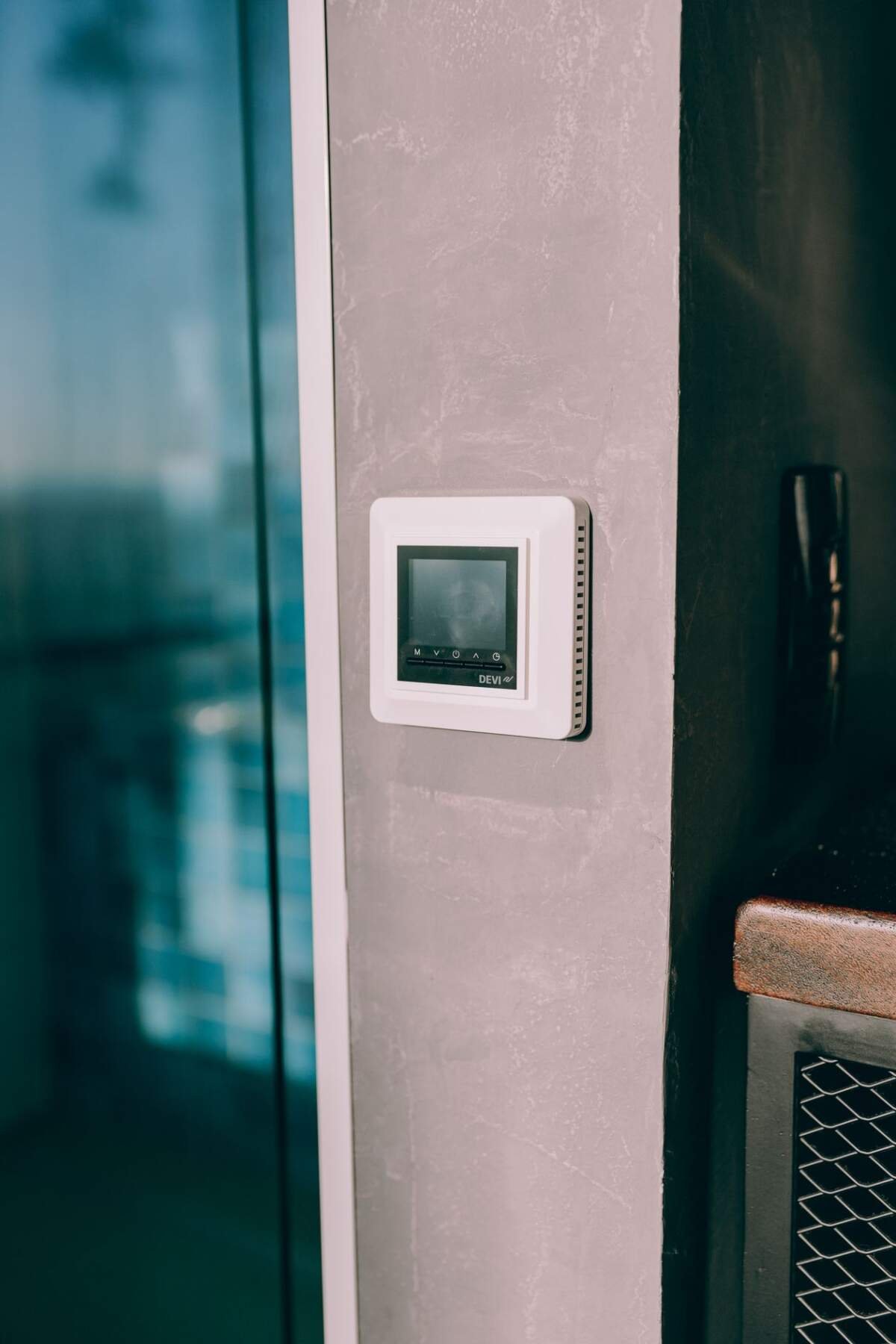
Cold-weather comfort is a good case study. In places where winter is serious, pipes and surfaces need protection that doesn’t demand attention. Plenty of builders and homeowners reach for self regulating cables for this reason: they respond to the temperature around them, so the system does the thinking. You install it properly, insulate it, and move on with your life.
That’s the real definition of a good upgrade. It does its job without asking for credit, and it keeps doing it.
There’s a cost angle too. A system that adjusts itself tends to waste less energy than one that runs flat out regardless of conditions. It won’t make your bill disappear, but it avoids the pointless extra. Over several winters that adds up to more than the price difference most people agonize over at the shop.
Why Accuracy Is Its Own Kind of Upgrade
Now think about the opposite problem: not comfort, but truth. Every field that depends on numbers depends on instruments that report them correctly. A scale that drifts, a sensor that lags or a gauge that nobody has checked in years produces confident, wrong answers.
Science makes this obvious. Experiments only mean something when the measuring tools behind them can be trusted, and that’s why laboratory equipment gets so much attention. To see how heavily research leans on reliable instruments, take a look at Atlantic Scale and the role such tools play in scientific work.
You don’t need a lab to apply the idea. A kitchen scale that’s off by a few grams ruins a recipe. A thermostat reading three degrees wrong runs your heating all winter for nothing. A bathroom scale can quietly mislead your whole fitness plan.
A few instruments worth testing at home:
- Thermostats, against a separate thermometer
- Kitchen and bathroom scales, using an object of known weight
- Smoke and carbon monoxide detectors, with the test button monthly
- Tire pressure gauges, since cheap ones drift
- Water meters, for leaks when everything is off
- Smart plugs or meters that claim to track energy use
The pattern is simple. If a number drives a decision, spot-check the thing producing the number. It takes ten minutes, and the first time you catch a bad reading you’ll wonder how long it had been wrong. Most of the time the answer is “longer than you’d like.”
A Quick Comparison of Upgrades Worth Considering
Not every upgrade earns its place. This table is how I’d sort a few common ones by what they actually do for you.
| Upgrade | What it quietly does | Where it pays off | Watch out for |
|---|---|---|---|
| Self-adjusting heat cable | Raises or lowers heat with the surrounding temperature | Exposed pipes and cold outbuildings | Poor insulation, wrong installation |
| Calibrated instruments | Keeps measurements honest | Kitchens, workshops, labs, small businesses | Skipping regular checks |
| Accurate local business listing | Lets nearby customers find you fast | Any service business with a phone number | Out-of-date hours or address |
| Draft sealing | Stops warm air escaping | Doors, windows, attic hatches | Sealing without ventilation |
Look at the last column. Every good upgrade has a failure mode, and knowing it is half the value.
Being Found Is an Upgrade Too
Here’s a different kind of improvement, and it applies to anyone who sells something nearby. When people need a plumber, a café or an accountant, they pick up a phone and search. They don’t scroll through ten options. They tap one of the first few results and call.
That makes being found locally one of the cheapest forms of growth for a small business. If you want practical steps, you can learn more about how local search works for businesses and what tends to matter most.
The basics are almost embarrassingly simple, and I’ve seen many owners skip them:
- Claim your business listing and keep it accurate
- Put the same name, address and phone number everywhere
- Write a clear, plain description of what you do
- Add real photos of your work or premises
- Ask happy customers for honest reviews
- Reply to every review, including the grumpy ones
It’s the same idea as the heat cable and the calibrated scale. Do the quiet thing correctly, once, and it keeps working in the background.
How to Decide What’s Worth Upgrading
Everyone has a different list, but the filter is portable. Ask these three questions before spending anything:
- Does this remove a recurring worry or just add a feature?
- Will it still work without my attention next month?
- What happens if it quietly fails, and would I notice?
That last question is the one most people skip. An upgrade that fails loudly is annoying. An upgrade that fails silently is dangerous, whether it’s a frozen line, a drifting gauge or a business listing that lists last year’s phone number.
I noticed this pattern when I went through my own home one autumn with a notepad. The things I’d worried about were fine. The things I’d forgotten about, a drifting thermostat and an exposed outdoor tap, were the real risks. Write the list, then check it.
Make Small Upgrades a Routine
You don’t have to overhaul anything. A calendar nudge works better than a grand plan:
→ Each autumn: inspect cold-weather protection and test detectors
→ Each spring: check instruments and replace anything that drifted
→ Each quarter: review your business listing and customer reviews
→ Each year: list what annoyed you and ask which upgrade would remove it
Do that for a couple of years and the compounding effect is real. Fewer surprises, more time, and a house, workshop or business that simply runs better than the neighbors’.
Conclusion
The best upgrades are boring ones. A system that adjusts itself, a measurement you can trust and a business people can find in seconds all save you from problems you never have to meet. Pick one this month, install it properly and then forget about it, which is exactly the point.