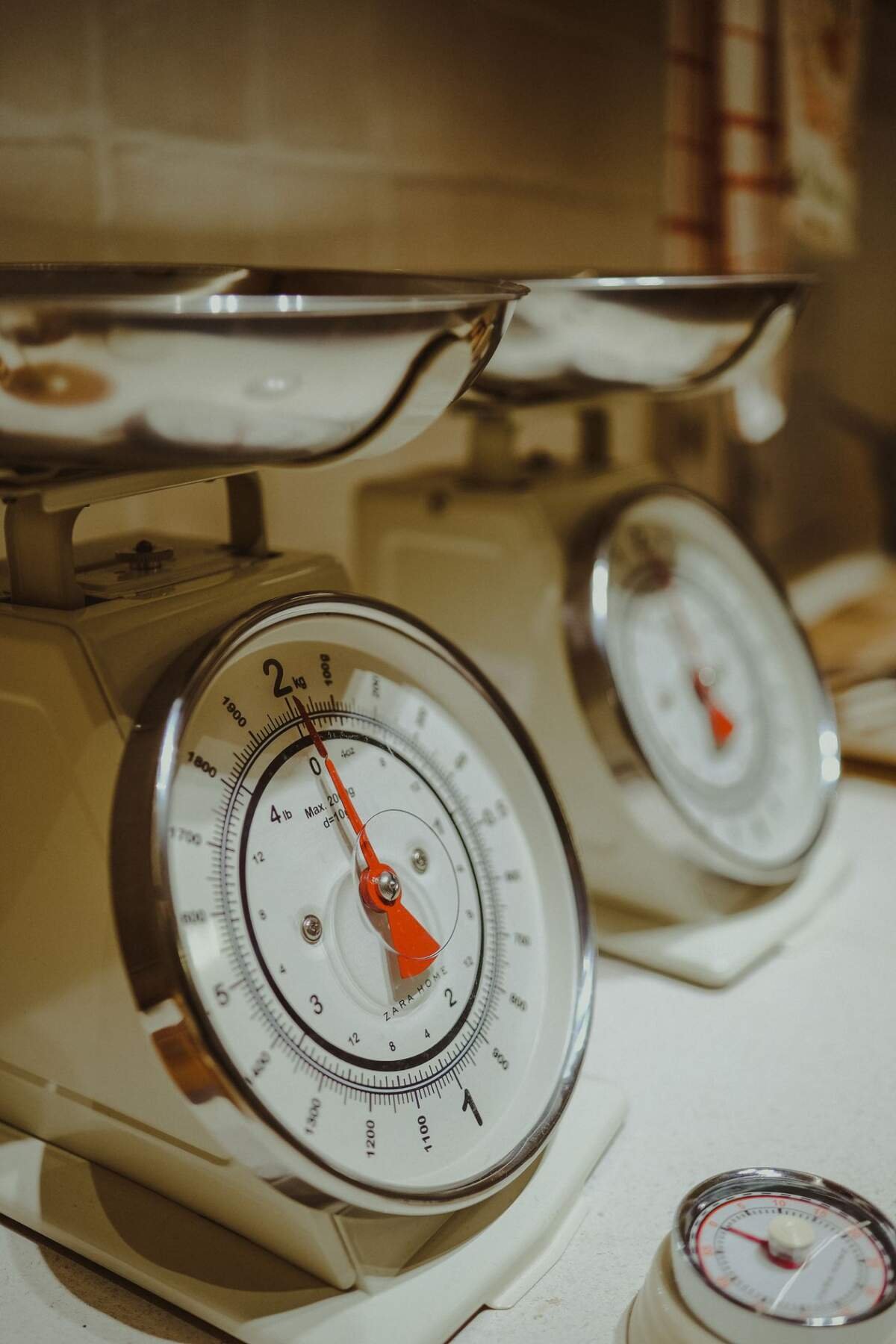

A suitcase that’s 300 grams over the limit costs real money at the check-in desk. A recipe off by a few ounces falls flat. A business that “roughly” knows its margins is usually in more trouble than it thinks. Measurement sounds like a dull topic until it hits your wallet.
Here’s what I’ve learned from watching people deal with all three: the ones who measure early rarely panic late.
Why Small Errors Get Expensive
We tend to treat precision as something for labs and factories. In daily life we eyeball things. Fill the tank, guess the weight, estimate the budget, assume the pipes will be fine.
Eyeballing works until it doesn’t. The trouble is that small errors compound. Five dollars here, a few kilos there, a degree or two of temperature, and suddenly you’re staring at a number that makes no sense and you can’t trace how you got there.
That’s why trades built around accuracy have lasted so long. Weighing and measurement is one of the oldest businesses around, and companies like Johnson’s Scale work in a field where being slightly off isn’t a harmless mistake. Think of a shop pricing goods by weight or a warehouse billing for freight. A scale that’s out of tune quietly bleeds money every day, and nobody notices because each loss looks tiny.
The same is true in your own life. Tiny leaks are the dangerous ones. A subscription you forgot, a slow drip under the sink, a bag that creeps up in weight with every trip. None of them feels urgent, and together they add up to a very real number by the end of the year.
The Measurements Worth Keeping Track Of
You don’t need lab equipment. You need a handful of numbers you check on a schedule. Here are the ones I’d start with:
- Monthly spending by category, not just the total
- Your bag’s actual weight before every flight
- Your home’s coldest-night plan (more on that below)
- The real cost of anything you pay for annually
- How long jobs or projects genuinely take, not how long you promised
- Your emergency fund measured in months of expenses, not dollars
- One number for how the business or household is doing, checked weekly
Most people have strong feelings about these numbers and very little data. Swapping a feeling for a figure is the cheapest improvement available.
When Precision Turns a Business Around
Struggling businesses almost always have a measurement problem before they have a money problem. The owner knows sales are down but can’t say which product, which season or which customer is dragging them. Without that, every fix is a guess.
The recoveries I’ve seen follow a pattern. First comes an honest count of cash in and cash out. Then they cut or fix the one or two things draining the most. Only after that do they chase growth. Skipping the first step is how people end up spending on marketing for a product that loses money on every sale.
For a closer look at the moves that help struggling businesses recover, click here. Whatever you pick up there, the principle holds. Know your numbers before you decide what to change.
A few habits that tend to separate the recoveries from the closures:
- Review cash flow weekly, not quarterly
- Price products with every cost included, even the annoying ones
- Chase late payments politely but quickly
- Cut one recurring expense per month for a quarter
- Track which customers come back and why
- Keep three months of operating costs in reserve if you possibly can
The Small Essentials Nobody Puts on a List
Now for the unglamorous bit. Some of the best protection is cheap, boring and easy to forget. Travelers know this feeling. The things that save a trip are rarely the things on the glossy packing guide. They’re the spare adapter, the copy of your documents, the little item you didn’t know you needed until the moment you did.
Home works the same way, especially in winter. Say you’re leaving for two weeks and the forecast is dropping below freezing. Frozen pipes burst, water runs for days in an empty house, and the repair bill lands on you. In cold climates, a few feet of heat tape on pipes can be the difference between a normal January and a flooded kitchen. It’s the sort of thing that never makes anyone’s list of exciting purchases, which is exactly why it gets skipped.
The first time I helped a neighbor sort this out, he told me he’d assumed the pipes were “fine because they always had been.” That phrase has probably cost homeowners more than any storm. Always having been fine is not a plan.
Think of the cost like this. A small purchase and an hour of installation against thousands in water damage. When you put it side by side, the choice is obvious. The hard part is remembering to do it before the cold snap instead of during.
Before You Leave: A Pre-Trip Home Check
I’ve started running the same short list before any trip longer than a weekend, and it takes about ten minutes:
- Check any exposed or outdoor pipes and their insulation
- Know where your main water shut-off is, and make sure it works
- Set the thermostat to a safe minimum, never fully off
- Ask someone you trust to look in once or twice
- Unplug the electronics that don’t need power
- Photograph the house as you leave it, in case of a claim
It’s not exciting. It’s also never once failed to give me peace of mind on the plane.
Weigh Everything Twice
The scale at the airport is the most honest piece of feedback most of us ever get. It doesn’t care about your intentions. It just reports.
Take that attitude to the other areas of life. Weigh the bag, count the cash, check the pipes, read the invoice. None of these tasks is hard. They’re just easy to put off, and that’s where the damage hides.
Some practical ways to make the habit stick:
- Put a recurring ten-minute “numbers review” on your calendar
- Keep a single note with your key figures in one place
- Compare this month with last month, not with perfection
- Fix one thing at a time so you can see what worked
People often ask whether this is too much effort for a normal household. I don’t think so. You’re not building a spreadsheet empire. You’re making sure surprises are rare and small, and that when one does arrive, you saw it coming a little earlier than you otherwise would have.
Conclusion
Measure what you care about before it gets expensive. Weigh the bag, know the margin, wrap the pipes. Small, regular checks beat big, panicked fixes every time, and the best part is that they cost almost nothing.