
Most career advice starts with salary and prestige. Then people spend years in jobs that look good on paper and feel hollow on a Tuesday afternoon. A better starting question is simpler: what kind of work would you be proud to do on an ordinary day?
That question leads to very different places for different people. Some find the answer in a workshop. Some find it in a treatment room. Others find it on a modern factory floor, where machines and people work side by side. All three are real, skilled paths, and all three are worth a closer look.
Start With Values, Not Job Titles
Before comparing careers, it helps to name what you actually want from work. Values sound abstract, but they show up in practical ways: how much you want to work with your hands, how much contact you want with people, how much independence you need and what kind of problems energize you.
For a practical prompt, there’s a useful piece on choosing work that reflects your values, which you can reach through West Coast College of Massage Therapy. It’s a good companion to the questions in this article.
I’ve noticed that people who choose well tend to know two or three non-negotiables. One person can’t stand sitting all day. Another needs to see a finished result. Another wants to help someone directly. Once you know yours, the field of options narrows in a helpful way.
The Case for the Skilled Trades
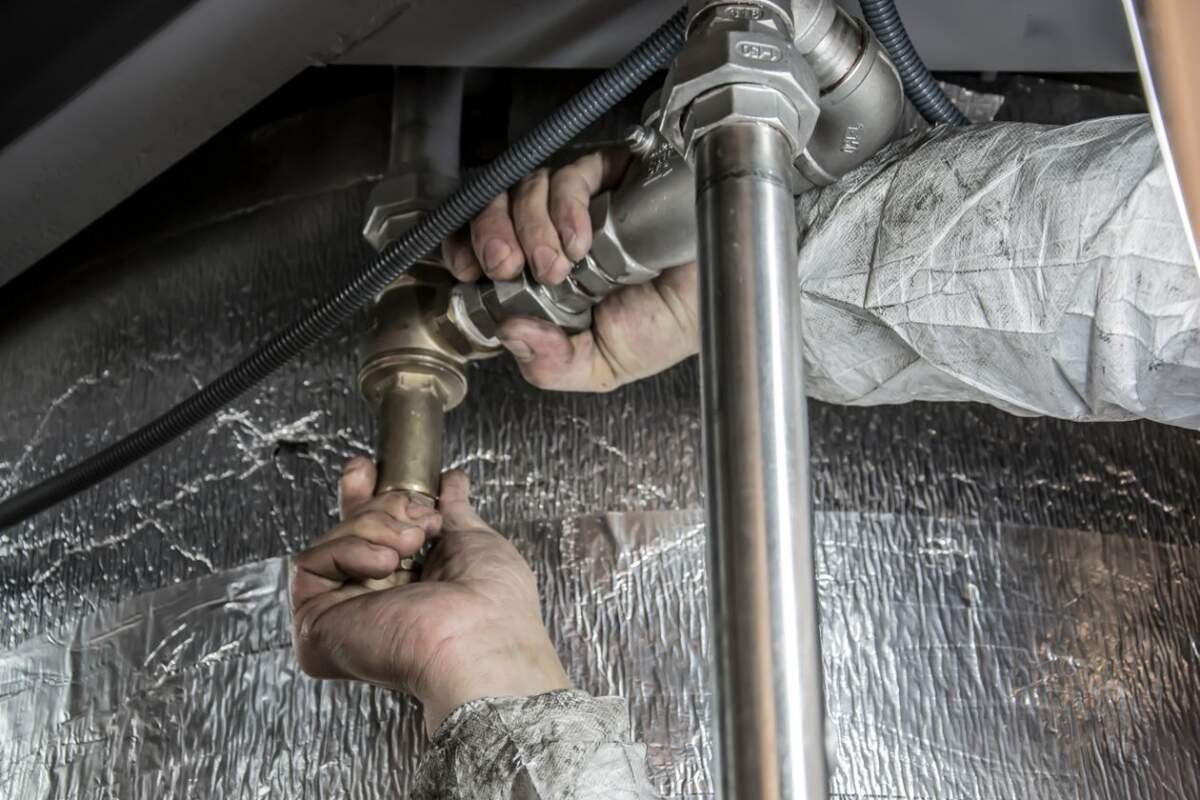
Skilled trades are often described as a fallback, which is odd, because they’re some of the most useful and in-demand jobs there are. Plumbers, electricians, carpenters and HVAC technicians keep daily life running. Nobody notices a good plumber until the water stops.
The work combines practical problem-solving with a lasting result. You arrive at something broken and leave with it working. In Canada, many trades are certified through an apprenticeship and a standardized exam, and the Red Seal program is an interprovincial standard for qualified tradespeople. Students often prepare with something like a red seal plumbing exam practice test, and the work they go on to do shapes whether a home feels like a sanctuary or a source of stress.
That’s a quietly meaningful thing. A house that works, with warm water, dry floors and safe wiring, is the foundation for everything else people do in it.
The Case for Hands-On Healing
Another path draws people who like helping others feel better directly. Massage therapy and related fields combine anatomy knowledge, careful technique and a lot of listening. Training programs and licensing rules vary by region, so anyone considering it should check what’s required where they plan to work.
What attracts people to this kind of career, in conversations I’ve had, is the immediacy. You see the effect of your effort within an hour. The downsides are real too: the work is physical, schedules can be uneven and building a steady client base takes time.
If you’re considering it, spend a day shadowing someone in the field. A real session will tell you more than a brochure.
The Case for Modern Manufacturing
Manufacturing has a reputation problem. People picture noise and repetition. The reality in many plants is quite different: sensors, robotics, software and a steady flow of technical problems to solve.
Packaging is a good example. Getting products into boxes, bags and bottles quickly and accurately takes a surprising amount of engineering. To see how advanced automation is changing this work, take a look at MPAC Group and its coverage of packaging automation in modern manufacturing.
These roles suit people who like systems, tinkering and steady improvement. They can also be a good fit for those who want a clear career ladder, since technicians can often grow into specialized or supervisory roles.
Three Paths Side by Side
This table is a starting point, not a verdict. Details differ widely by region and employer.
| Path | A typical day | Usual training route | Good fit if you |
|---|---|---|---|
| Skilled trades (such as plumbing) | Diagnosing and fixing real systems on site | Apprenticeship, hours on the job and a certification exam | Like practical problems and visible results |
| Massage therapy | Hands-on sessions with clients, notes and scheduling | A regulated training program and licensing, depending on region | Enjoy helping people one at a time |
| Manufacturing and automation | Working with machines, controls and process improvement | Technical training, apprenticeships or engineering study | Like systems, data and steady improvement |
| Office-based professional work | Meetings, screens and projects | Degree or professional certification | Prefer ideas and communication over physical work |
If none of these feel right, that’s useful information too.
One caution about tables like this: they flatten reality. A plumber who owns a small business has a very different life from one employed by a large contractor. A manufacturing technician on night shifts has a different week from a day-shift colleague. Treat the table as a map of questions to ask, not as a prediction of what your life will look like.
How to Test a Path Before You Commit
Reading is helpful, but real exposure is better. Here are cheap ways to test a direction:
- Talk to three people who do the job, and ask what they’d change
- Shadow someone for a day, or volunteer on a small project
- Take a short introductory course before enrolling in a long one
- Ask about the worst part of the job, not just the best
- Check the licensing or certification path in your own region
- Look at what a typical day, week and year really look like
Most people get this wrong by committing to a program before spending even one day in the real environment.
Questions Worth Asking Yourself
Before making a move, write honest answers to a few questions:
- Do I want to be on my feet, at a desk or somewhere in between?
- How much do I want to work with other people versus alone?
- What does a good day feel like, and what ruins one?
- How much risk and variability can I live with?
- What am I willing to learn, and for how long?
- Who would I be proud to explain this job to?
A good career isn’t a perfect match. It’s a choice you can live with, even on a hard Tuesday.
It’s also worth remembering that you’re allowed to change your mind. Plenty of people move from one field to another after a few years, and the skills carry over more than they expect. Patience, craft and reliability travel well.
Conclusion
The right work usually sits where your skills, your values and a real need overlap. Whether that’s a workshop, a treatment room or a modern plant, try it before you commit and give yourself permission to change course. Pride in your daily work is worth more than a title that looks impressive on a résumé.