
Between school runs, work and everything in between, meals often become whatever is fastest. A balanced plate doesn’t have to mean perfection or complicated recipes. It means getting a good mix of foods your body needs, most of the time, in a way your family can keep up. Here’s a simple way to think about it.
The Plate Method: A Visual Shortcut
Instead of counting and measuring, picture a plate divided into sections:
- About half: vegetables and fruit
- About a quarter: whole grains or starchy foods
- About a quarter: protein
- A small amount: healthy fats
This is a flexible guide, not a strict rule. Needs vary by age, activity level and health, so treat it as a starting point.
Fill Half the Plate With Vegetables and Fruit
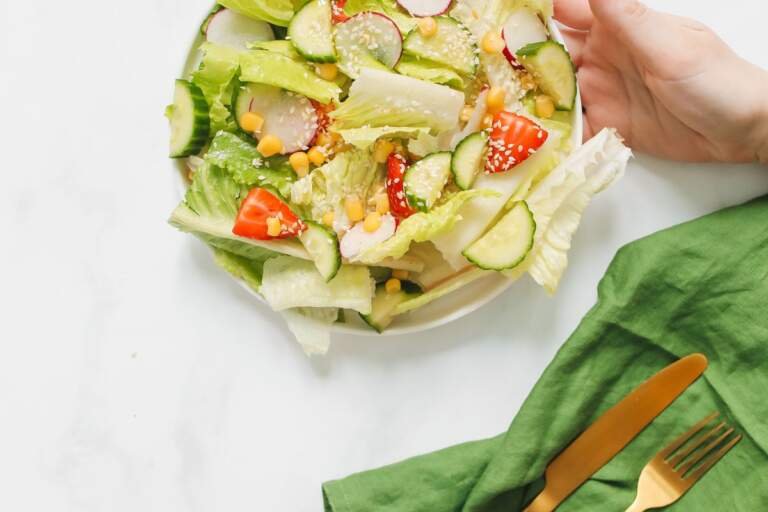
Colorful produce provides fiber, vitamins and minerals. Aim for variety across the week, including leafy greens, orange and red vegetables, and different fruits.
- Add a handful of spinach to eggs, soups or pasta.
- Keep washed, chopped vegetables ready in the fridge.
- Offer fruit as a dessert or snack.
- Frozen vegetables are a convenient, budget-friendly option.
Choose Whole Grains and Starchy Foods
These foods give lasting energy. Options include brown rice, oats, whole wheat bread, quinoa, couscous, potatoes and legumes such as lentils and chickpeas. Whole versions generally keep you fuller for longer because they contain more fiber. If your family isn’t used to them, mix whole and refined grains at first, and adjust gradually.
Add a Source of Protein
Protein supports growth, repair and fullness. Choices include:
- Fish and poultry
- Eggs
- Beans, lentils and chickpeas
- Nuts and seeds
- Dairy products or suitable alternatives
- Tofu and similar plant proteins
Rotate your sources through the week. Legumes are an affordable, versatile choice.
Include Healthy Fats
Fats help the body absorb certain vitamins and keep you satisfied. Good sources include olive oil, avocado, nuts, seeds and oily fish. A drizzle of oil on salad or a sprinkle of seeds on yogurt is often enough.
Don’t Forget Drinks
Water is the best everyday drink. Limit sugary drinks, which add calories without making you feel full. Plain milk or unsweetened options work well for many children, depending on their needs.
Practical Ways to Make It Happen
- Plan a few meals ahead: even a rough list for the week reduces last-minute choices.
- Batch cook: make a big pot of soup, stew or grains and use it for several meals.
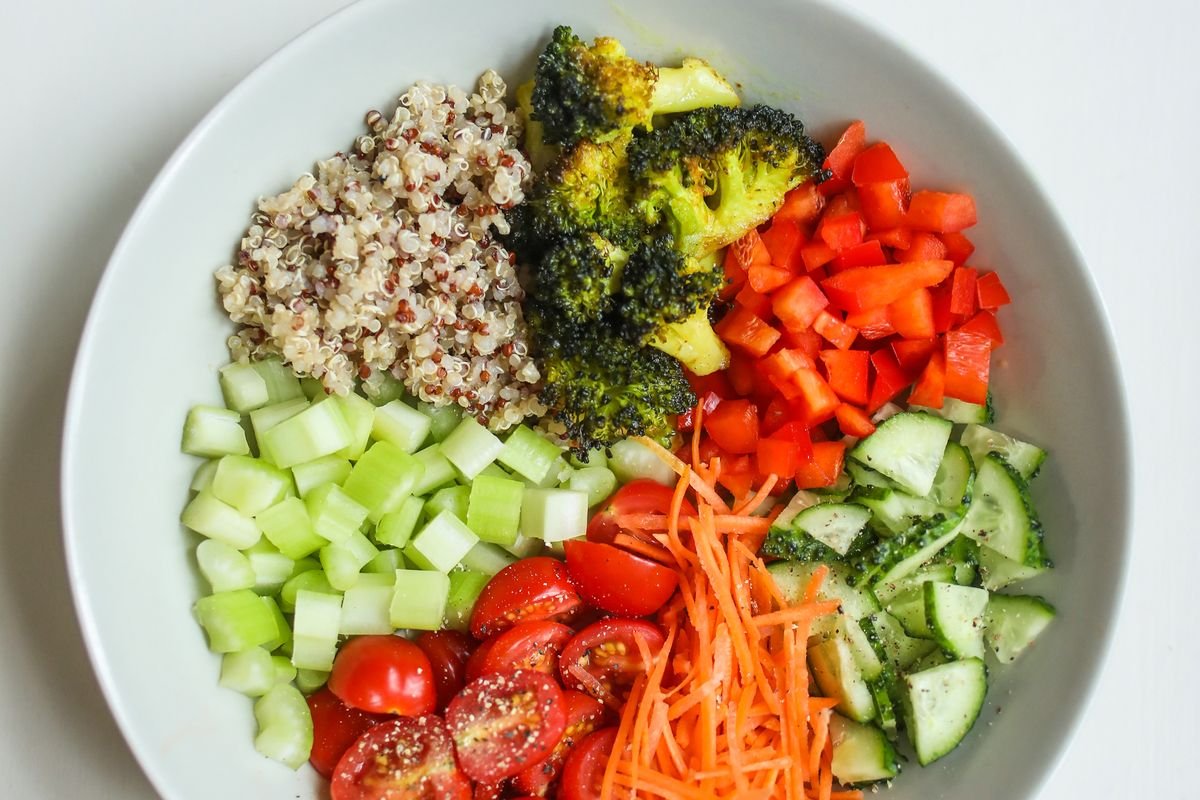
- Use the “build your bowl” method: set out grains, vegetables, protein and a sauce, and let everyone assemble their own.
- Keep staples stocked: canned beans, frozen vegetables, eggs and oats make quick meals possible.
- Cook once, eat twice: leftovers become lunch the next day.
Tips for Busy Families
- Don’t aim for perfect every meal. Balance over the day or week matters more.
- Involve children in choosing and preparing food. They’re more likely to eat it.
- Eat together when possible, with screens switched off.
- Listen to hunger and fullness cues, rather than forcing clean plates.
Common Mistakes
- Skipping breakfast and then overeating later in the day
- Relying heavily on highly processed convenience foods
- Cutting out whole food groups without a medical reason
- Judging foods as strictly “good” or “bad”
When to Get Personal Advice
If you or a family member has allergies, medical conditions, special dietary needs or concerns about growth or weight, speak with a doctor or registered dietitian. They can tailor advice to your situation.
Frequently Asked Questions
Do I need to measure portions?
Not usually. The plate method is a simple visual guide. Portion needs vary, so pay attention to hunger and fullness.
Is a balanced plate expensive?
It doesn’t have to be. Beans, lentils, eggs, oats, seasonal produce and frozen vegetables are budget-friendly staples.
What if my family dislikes vegetables?
Start small and keep offering them in different forms, such as roasted, blended into sauces or served raw with a dip. Taste preferences often change with repeated, relaxed exposure.
Can I still have treats?
Yes. A balanced approach leaves room for foods you enjoy. The overall pattern matters more than any single meal.
Start Small, Keep It Steady
Choose one change this week: add a vegetable to dinner, swap in a whole grain or plan three meals ahead. Small, steady steps build habits that last far longer than dramatic overhauls.
This article is general health information, not medical or nutritional advice. Please consult a doctor or registered dietitian for guidance on your own needs.