
Nothing ends a great day of sightseeing faster than an upset stomach, a headache or exhaustion. Travel changes your routine, your food, your sleep and your water. A few smart habits can help you feel well enough to enjoy the trip you planned and paid for.
Eat Well Without Stress
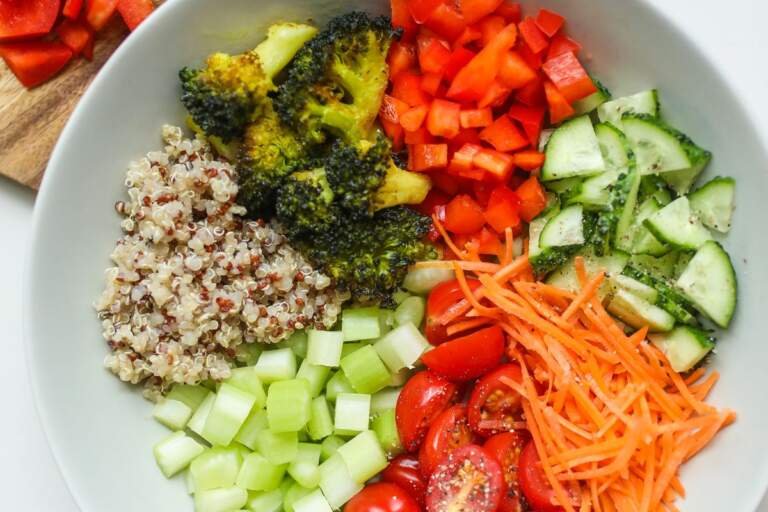
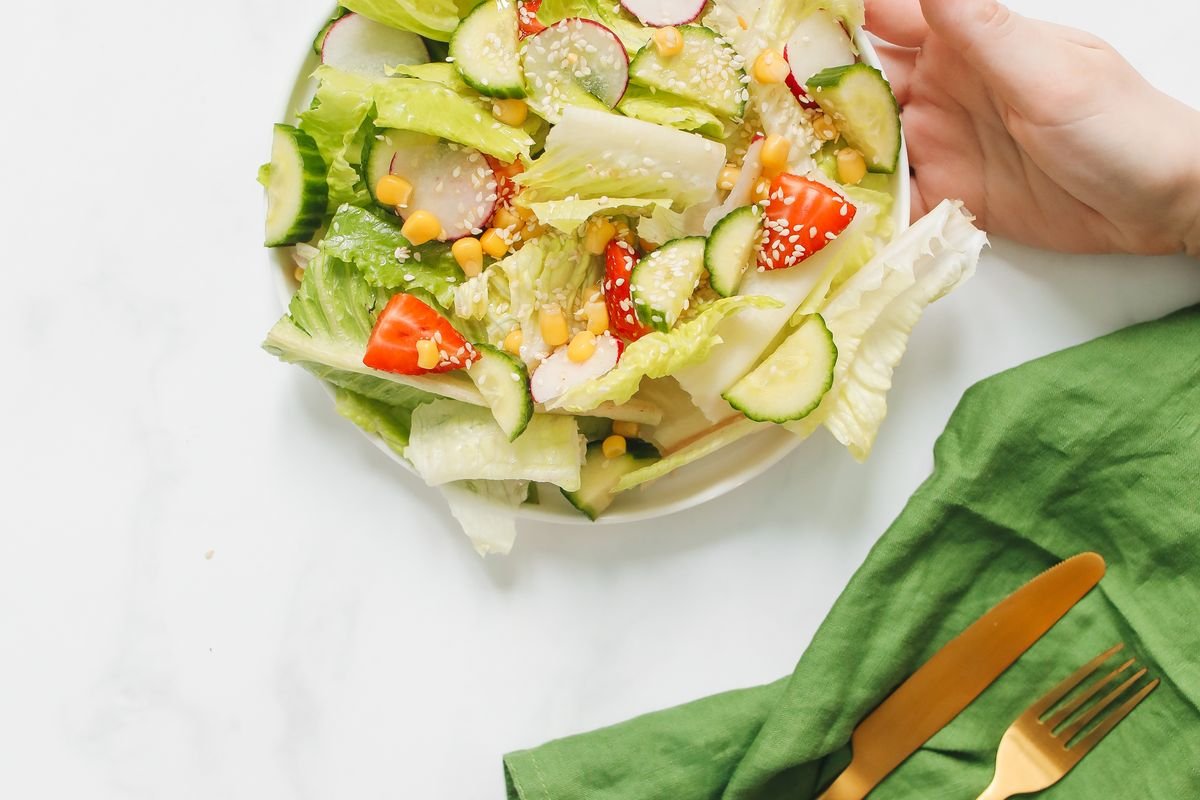
- Balance your meals: include vegetables, fruit, protein and whole grains where you can.
- Don’t skip meals: long gaps lead to tiredness and poor choices.
- Carry snacks: nuts, fruit and crackers help when meals run late.
- Try local dishes sensibly: choose busy places with fresh, freshly cooked food.
- Know your dietary needs: learn key words for ingredients you avoid, and check how food is prepared when it matters to you.
- Wash fruit and hands: particularly before eating.
Stay Hydrated
Dehydration can bring headaches, tiredness and poor concentration, especially in hot weather, on planes and during busy walking days.
- Carry a reusable water bottle and refill it often.
- Drink regularly, not only when you feel thirsty.
- Use bottled or treated water where the tap water isn’t safe, including for brushing teeth if advised.
- Be careful with ice, which may be made from untreated water in some places.
Protect Your Sleep
- Try to keep a regular bedtime, even on holiday.
- For a different time zone, get daylight at your destination and adjust gradually.
- Pack an eye mask and earplugs for noisy rooms.
- Avoid heavy meals and screens close to bedtime.
- Plan lighter evenings after busy days.
Move and Stretch
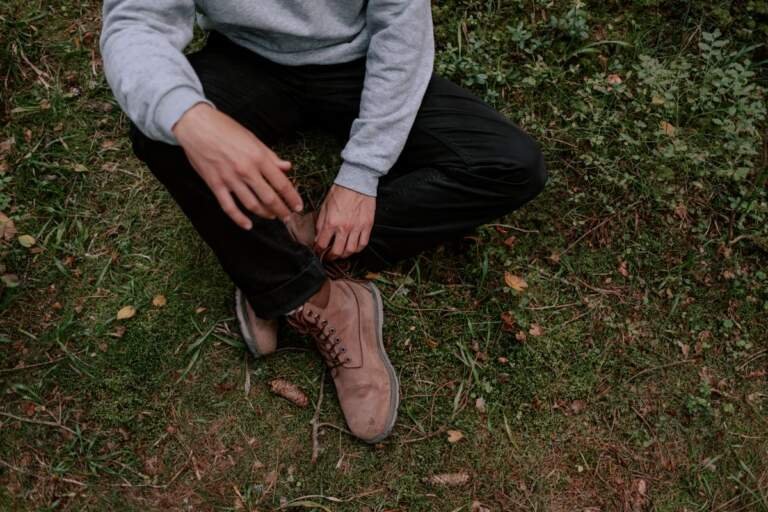
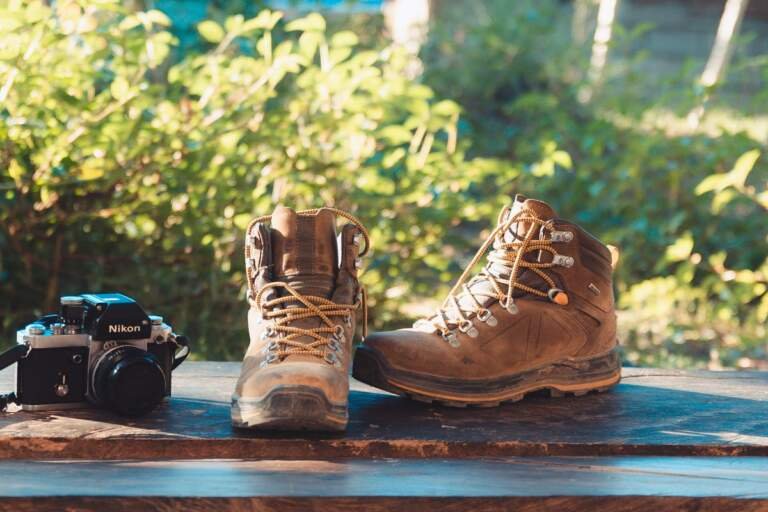
Long journeys leave you stiff. On planes, trains and cars, stand up and stretch regularly where it’s safe and allowed. Gentle walking on arrival helps. Wear comfortable shoes to avoid blisters, and pack plasters for sore spots.
Protect Yourself From the Sun and Weather
- Use sunscreen, a hat and sunglasses where appropriate.
- Seek shade in the hottest part of the day.
- Dress in breathable layers and pack a light rain jacket.
- Rest if you feel dizzy, overheated or unwell.
Pack a Small Health Kit
- Any prescription medicines in their original packaging, plus a spare supply and a copy of the prescription
- Pain relief, rehydration salts and basic stomach remedies suited to you
- Plasters, antiseptic wipes and a thermometer
- Insect repellent and sun protection
- Hand sanitizer and tissues
Check local rules on carrying medicines across borders, since some are restricted in certain countries.
Practice Good Hygiene
Wash your hands often, especially before eating and after public transport. Carry sanitizer for when soap isn’t available. Keep your own water bottle and avoid sharing cups.
Plan for Health Care
- Check whether any vaccinations or health precautions are recommended for your destination, and ask a doctor well before departure.
- Consider travel insurance that covers medical needs.
- Note the address and number of a local clinic or hospital.
- Keep emergency contacts and allergy information easily accessible.
Travel With Children
- Keep regular meal and nap routines where possible.
- Pack familiar snacks and comfort items.
- Apply sunscreen often and keep them hydrated.
- Build in downtime between activities.
Common Mistakes
- Skipping meals and water to save time
- Packing too many activities with no rest
- Forgetting medicines or copies of prescriptions
- Ignoring early signs of tiredness or illness
Frequently Asked Questions
How can I avoid an upset stomach?
Wash hands, choose fresh, thoroughly cooked food and drink safe water. If you’re unwell, rest and rehydrate. See a doctor if symptoms are severe or persistent.
How much water should I drink while traveling?
Needs vary with weather, activity and body size. Drink regularly and increase intake in heat or when you’re active.
Is it okay to skip a day of sightseeing?
Absolutely. Rest days protect your health and often make the other days more enjoyable.
What if I run out of medication?
Carry extra and keep a copy of the prescription. If you run out, a local doctor or pharmacist can advise.
Travel Well, Enjoy More
Staying healthy on the road is mostly about simple, steady habits: eat regularly, drink water, sleep enough and move gently. Take care of the basics, and the adventure takes care of itself.
This article is general travel and health information, not medical advice. Consult a doctor or travel health service before you travel, especially if you have a medical condition.