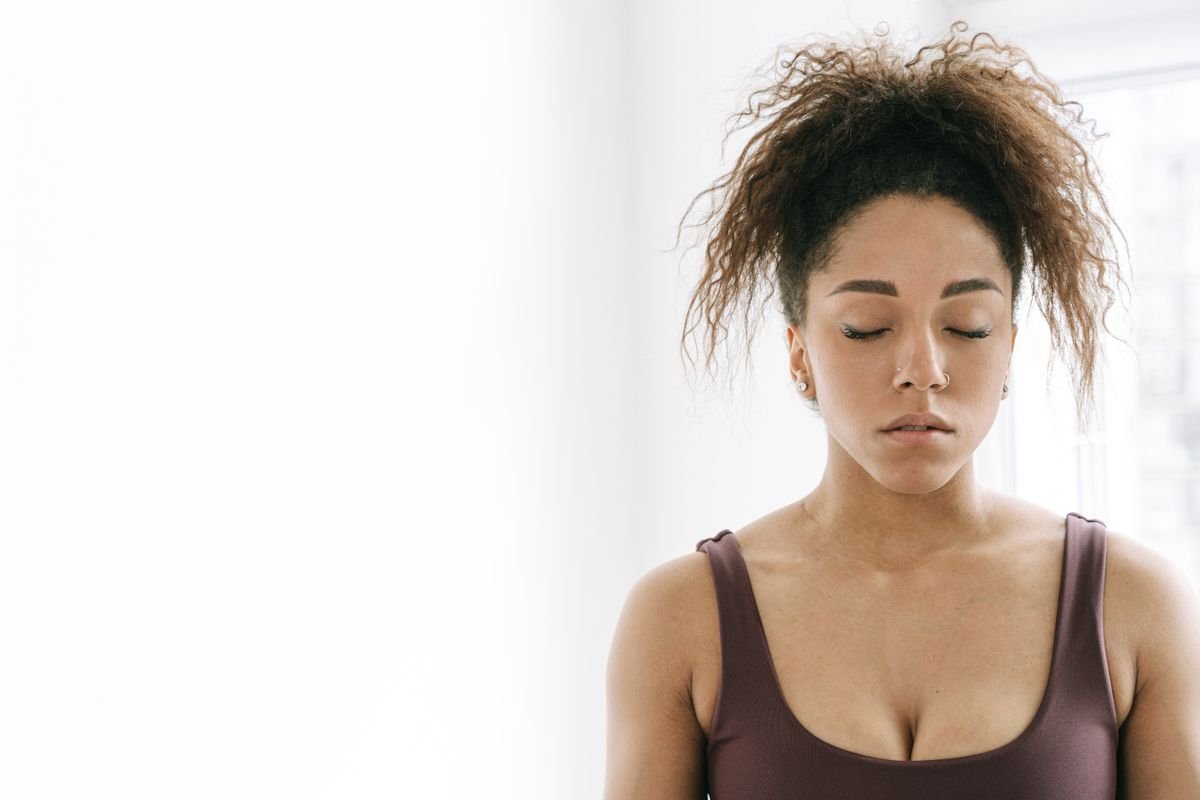

When stress hits, your breathing often changes without you noticing. It becomes quicker, shallower and higher in the chest. The encouraging part is that the link works both ways: slowing your breathing on purpose can send your body a signal to settle. These three simple techniques take only a few minutes and need nothing but you.
Why Breathing Helps
When you slow your breathing, especially by lengthening the out-breath, your body tends to shift out of its alert, stressed state and toward a calmer one. Many people find that a few minutes of deliberate breathing eases tension, quiets racing thoughts and helps them feel more in control. It’s not a cure for anxiety or any medical condition, but it’s a useful everyday tool.
Before You Begin
- Sit or lie in a comfortable position, with your back supported.
- Loosen anything tight around your waist or chest.
- Breathe in through your nose if you can, and out through your nose or mouth.
- Keep your breaths gentle. Don’t force or strain.
- If you feel dizzy or uncomfortable, stop and breathe normally.
Technique 1: Belly Breathing
Also called diaphragmatic breathing, this is a great starting point.
- Place one hand on your chest and the other on your belly.
- Breathe in slowly through your nose, letting your belly rise while your chest stays fairly still.
- Breathe out slowly, feeling your belly fall.
- Continue for two to five minutes.
Best for: general stress, tension and winding down. It’s also easy to teach children, who can place a soft toy on their belly and watch it rise and fall.
Technique 2: Box Breathing
This even-count method uses a steady rhythm to help focus and steady the mind.
- Breathe in slowly through your nose for a count of four.
- Hold gently for a count of four.
- Breathe out slowly for a count of four.
- Hold gently for a count of four.
- Repeat for about four rounds, or longer if it feels comfortable.
Best for: moments when you need to refocus, such as before a meeting or a tough conversation. If holding your breath feels uncomfortable, skip the pauses or shorten the count.
Technique 3: Extended Exhale Breathing
Making the out-breath longer than the in-breath is a simple way to promote relaxation.
- Breathe in gently through your nose for a count of four.
- Breathe out slowly for a count of six, through pursed lips or your nose.
- Repeat for two to five minutes.
Best for: bedtime, or when you feel tense and need to unwind. If six feels too long, try three in and five out, and adjust to what’s comfortable.
When to Use These Techniques
- In the morning: a minute or two of belly breathing to start the day calmly.
- During a stressful moment: in the car, in the kitchen or in the bathroom for a quick reset.
- When children are overwhelming you: step away briefly if it’s safe and take a few slow breaths.
- Before sleep: extended exhale breathing in bed, lights low.
- Before something nerve-wracking: a few rounds of box breathing.
Make It a Habit
Like any skill, breathing exercises work better with practice. Try these ideas:
- Link it to something you already do, like brushing your teeth or waiting for the kettle.
- Set a gentle reminder on your phone.
- Practice when you’re calm, so the technique feels familiar when you’re not.
- Start with one minute and build up gradually.
Teaching Kids to Breathe
Children can learn breathing tools, too. Make it playful:
- “Smell the flower, blow out the candle” for belly breathing
- Blowing bubbles slowly
- Tracing a shape with a finger while breathing in and out along each side
Do it together, so it feels like shared time and not a task.
Common Mistakes
- Breathing too deeply or forcefully, which can cause lightheadedness
- Expecting instant calm after one try
- Holding the breath too long
- Giving up because the mind wanders, which is completely normal
When to Seek Help
Breathing exercises are a helpful support, not a treatment. If you experience frequent panic, constant worry, breathing difficulties or distress that interferes with daily life, speak with a doctor or a qualified mental health professional. If you have a respiratory or heart condition, check with your doctor before trying new breathing practices.
Frequently Asked Questions
How long should I practice each day?
Even one to five minutes can help. Build up slowly if you’d like to practice longer.
Which technique is best for beginners?
Belly breathing is the simplest. Once it feels natural, try box breathing or extended exhale breathing.
Can I do these exercises lying down?
Yes. Lying down works well for belly breathing and extended exhale breathing, especially at bedtime.
What if my mind keeps wandering?
That’s normal. Gently bring your attention back to your breath. Noticing that your mind has wandered is part of the practice.
Three Breaths at a Time
You don’t need a quiet room or a free hour. Choose one technique, try it for two minutes today and see how you feel. With regular practice, these small pauses can become a reliable way to reset in the middle of a busy day.
This article is general wellness information, not medical advice. If you have a health condition or feel unwell while practicing, stop and consult a qualified professional.