
It’s mid-afternoon, you haven’t eaten properly since breakfast, and the nearest option is a packet of something sugary. Sound familiar? Snacks aren’t the problem. Having nothing ready is. A few smart choices, kept within reach, can help you keep your energy steady and avoid skipping meals or grabbing whatever’s closest.
Why Snacks Matter
A well-chosen snack can bridge the gap between meals, steady your energy and stop you from arriving at dinner starving. For children, snacks are often an important part of their daily nutrition. The aim isn’t to snack constantly, but to have good options when hunger strikes.
What Makes a Good Snack?
Aim for snacks that combine at least two of these:
- Fiber: from fruit, vegetables, whole grains or legumes, which keeps you full
- Protein: from yogurt, eggs, nuts or beans, which supports satisfaction
- Healthy fats: from nuts, seeds or avocado, which add staying power
Pairing foods works well, like an apple with nut butter or carrots with hummus.
Snacks to Keep in the Fridge
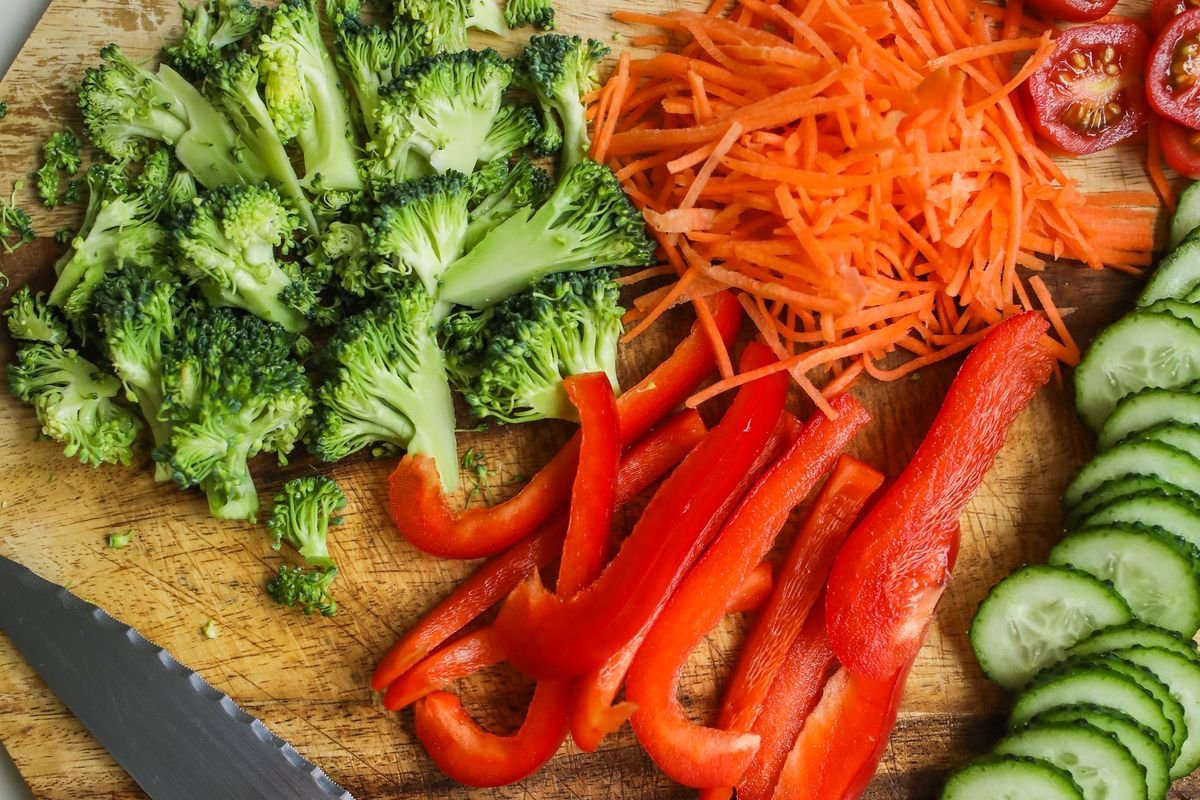
- Cut vegetables: carrots, cucumber, peppers and celery, ready with a dip such as hummus or yogurt sauce
- Yogurt: plain or lightly sweetened, topped with fruit or seeds
- Hard-boiled eggs: make a batch at the start of the week
- Cheese cubes or slices, if you eat dairy
- Washed fruit: grapes, berries, apple slices and oranges
- Overnight oats in small jars
Snacks for the Pantry
- Nuts and seeds: unsalted or lightly salted, in small portions
- Dried fruit: enjoy in moderation, as it’s sweet and sticks to teeth
- Whole grain crackers or rice cakes with a topping
- Plain popcorn popped at home
- Oat bars or homemade energy balls made with oats, dates and nut butter
- Roasted chickpeas for a crunchy alternative to chips
If you have young children, remember that whole nuts can be a choking hazard. Follow age-appropriate guidance and serve foods in safe forms.
Snacks for Your Bag or Car
Being caught out when you’re out and about is when most unplanned buying happens. Keep a few durable options on hand:
- A small bag of nuts and seeds
- A piece of fruit that travels well, like a banana or an apple
- Whole grain crackers in a container
- A reusable bottle of water
Prep in Minutes
A little preparation on one day saves effort all week.
- Wash and cut vegetables and store them in containers with a damp paper towel.
- Portion nuts, seeds or crackers into small bags or boxes.
- Boil a batch of eggs.
- Make a jar of dip, such as hummus or a yogurt dip.
- Bake or roll a batch of energy balls and store them in the fridge.
Place the healthiest options at eye level so they’re the first thing you see.
Snacks for Kids
- Offer small portions and let children choose from two or three options.
- Serve snacks at set times, rather than constant grazing, so they arrive at meals hungry.
- Try sliced fruit, cheese and crackers, yogurt or vegetable sticks with dip.
- Involve them in preparing snacks, such as assembling fruit skewers.
Snack Mindfully
- Sit down to eat when you can, rather than eating while working or scrolling.
- Check whether you’re truly hungry or just bored, tired or thirsty.
- Portion food into a bowl instead of eating from the packet.
- Drink a glass of water, as thirst can feel like hunger.
Read Labels Carefully
Some products labeled “healthy” can contain a lot of added sugar, salt or refined ingredients. Check the ingredient list and nutrition label. A shorter list of recognizable ingredients is usually a good sign. If you or your children have food allergies, always check labels for allergens.
Common Mistakes
- Having no healthy options within reach
- Eating large portions straight from the bag
- Relying only on sweet snacks
- Skipping meals and snacking all day instead
Frequently Asked Questions
How many snacks should I have a day?
It depends on your hunger, routine and needs. Many people do well with one or two planned snacks between meals. Children often need a little more.
What’s a good snack for energy?
Combine fiber with protein or healthy fat, like an apple with nut butter or yogurt with fruit and seeds.
Are dried fruits healthy?
They provide fiber and nutrients, but they’re concentrated in sugar and calories. Enjoy them in small portions, paired with nuts or yogurt.
How can I stop mindless snacking?
Portion snacks, sit down to eat and make sure you’re eating regular, satisfying meals. Keep tempting snacks out of sight.
A Little Prep Goes a Long Way
You don’t need a perfect pantry. Spend twenty minutes on the weekend washing, chopping and portioning a few simple foods. When hunger strikes, you’ll have a better choice ready.
This article is general nutrition information, not medical or dietary advice. If you or your children have allergies, medical conditions or special dietary needs, please consult a doctor or registered dietitian.