
You don’t need a plane ticket or a week off to feel like you’ve been somewhere new. Within a couple of hours of home, there’s often a village, a viewpoint, a garden or a small museum you’ve never visited. Day trips are budget-friendly, flexible and easy to plan, even on the same afternoon.
What Makes a Place a “Hidden Gem”?
It doesn’t need to be famous or remote. A hidden gem is simply somewhere interesting that you haven’t explored yet, often because it’s close enough to feel ordinary. Think of:
- A small town with a historic center or market
- A nature reserve, forest or lake
- A local museum, craft workshop or heritage site
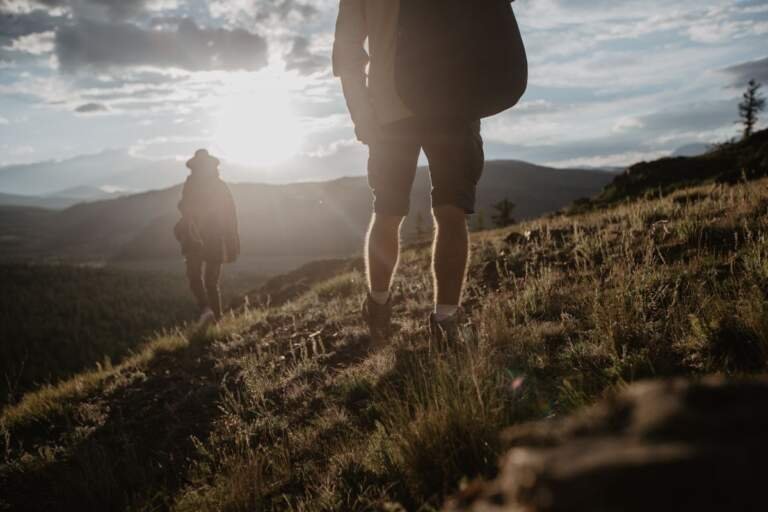
- A scenic viewpoint or walking trail
- A botanical garden or farm
- A traditional village known for a local specialty
Step 1: Set Your Limits
Before searching, answer three quick questions:
- How much time do you have? A good rule is to keep travel to no more than a third of your available time.
- How will you get there? By car, public transport, bike or on foot?
- Who’s coming? The needs of small children, older relatives or someone with limited mobility will shape your choices.
For an afternoon trip, a destination within thirty to sixty minutes is usually comfortable.
Step 2: Find Ideas Near You
- Online maps: zoom out from your location and look for green spaces, small towns, lakes and landmarks you don’t recognize.
- Local tourism websites: many regions publish lists of lesser-known attractions.
- Community groups and neighbors: ask people where they like to go.
- Library or visitor centers: staff often have excellent local tips and free maps.
- Reviews and photos: recent ones give a good idea of what to expect.
Pick two or three options so you have a backup if one is closed or crowded.
Step 3: Check the Essentials
- Opening days and hours
- Entry fees and whether you need to book
- Parking or public transport options
- The weather forecast
- Facilities such as toilets, seating and places to eat
- Accessibility, if anyone in your group needs it
A two-minute check can prevent a wasted trip.
Step 4: Make a Light Plan
Keep the plan simple. Choose one main stop and add one or two small extras if time allows. A basic outline might be:
- Leave home with a snack and water.
- Arrive and spend one to two hours at the main attraction.
- Stop for a bite or picnic at a nice spot.
- Take a short walk, browse a market or visit a smaller second stop.
- Head home before everyone is exhausted.
Avoid overscheduling. An unhurried afternoon is more enjoyable than a rushed one.
What to Pack
- Water and snacks, or a picnic
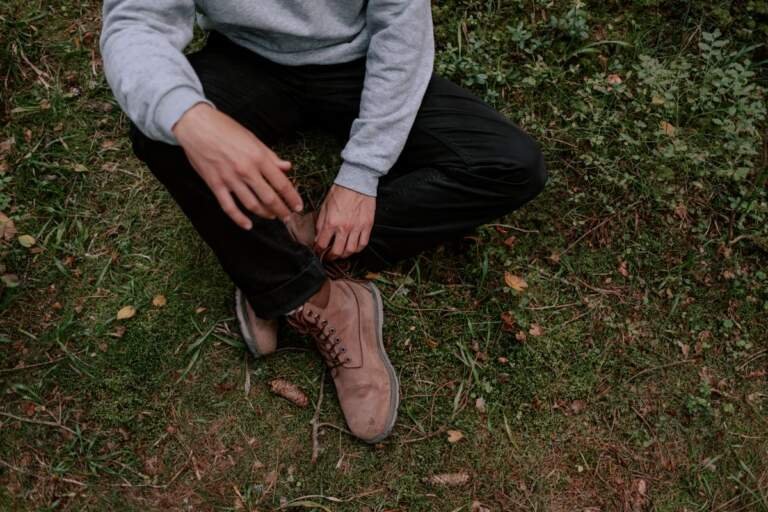
- Comfortable shoes and weather-appropriate clothing
- A small first-aid kit and any medicines
- A charged phone, a power bank and a downloaded map
- Cash and a card, as small places may not accept both
- Sunscreen, a hat or an umbrella
- A bag for rubbish and a change of clothes for children
Day Trip Ideas by Interest
For Nature Lovers
Look for nature reserves, forests, lakeshores, gardens and riverside paths. A gentle walk and a picnic is a classic combination.
For History and Culture Fans
Explore old town centers, small museums, historic buildings, craft workshops and traditional markets.
For Families With Young Children
Choose farms, parks with playgrounds, interactive museums and places with open space for running around.
For Food Lovers
Visit a village known for a local product, a weekly market or a family-run bakery. Always check that the food suits your dietary needs.
Travel Responsibly
- Respect local customs, dress codes and quiet spaces.
- Support small businesses by buying local products.
- Follow the rules, stay on paths and don’t litter.
- Ask before photographing people.
- Leave places as you found them.
Common Mistakes
- Not checking opening hours
- Trying to fit in too many stops
- Spending most of the time traveling
- Forgetting food and water
- Leaving too late and returning in the dark
Frequently Asked Questions
How do I find places that aren’t crowded?
Try smaller towns, weekday visits and early mornings. Looking beyond the first page of search results often turns up quieter options.
Do I need to book in advance?
Many small places don’t require it, but popular attractions may. Check the website or call ahead if you’re unsure.
What if the weather turns bad?
Have an indoor backup, such as a museum, a covered market or a cozy cafe. A flexible plan makes it easy to adapt.
How can I do this on a budget?
Bring your own food, choose free attractions like parks and viewpoints, and travel in a group to share fuel or transport costs.
Adventure Is Closer Than You Think
Pick a spot on the map, check the hours and set off. A single afternoon of exploring can refresh your mind, create new memories and remind you how much there is to discover close to home.
This article is general travel information. Always check opening times, local rules and safety guidance before you go.