
“Drink more water” is some of the most repeated and least followed advice around. Most of us know we should, and most of us forget. The reason is usually not willpower. It’s that drinking water isn’t built into our routines. The good news is that small, simple tweaks can turn hydration into an easy habit.
Why Hydration Matters
Water supports nearly every function in the body, including temperature control, digestion, circulation and joint comfort. Being even mildly low on fluids can leave you feeling tired, headachy or unfocused. Needs vary with age, body size, climate, activity level and health, so there’s no single number that fits everyone.
Check In With Your Body
Thirst is one signal. Others include dry mouth, dark yellow urine, headaches, fatigue and dizziness. Pale yellow urine is generally a sign of good hydration. If you have a medical condition or take medicines that affect fluid balance, ask your doctor about how much to drink.
Make Water Easy to Reach
- Keep a bottle with you: choose one you like, and keep it where you spend your time.
- Place glasses at home: one by the sink, one on your desk and one by the bed.
- Fill up in the morning: prepare a jug or bottle to track your intake through the day.
The easier it is to grab, the more likely you are to drink.
Link It to Existing Habits
Attach drinking to things you already do:
- A glass of water after waking up
- A glass before each meal
- A few sips after every bathroom visit
- A glass when you make tea or coffee
- Water during your child’s snack time
Add Flavor Naturally
If plain water feels boring, make it more appealing without sugary drinks:
- Slices of lemon, cucumber or orange
- A few mint leaves or berries
- Cold, room temperature or warm water, whichever you prefer
- Unsweetened herbal tea
Eat Your Water
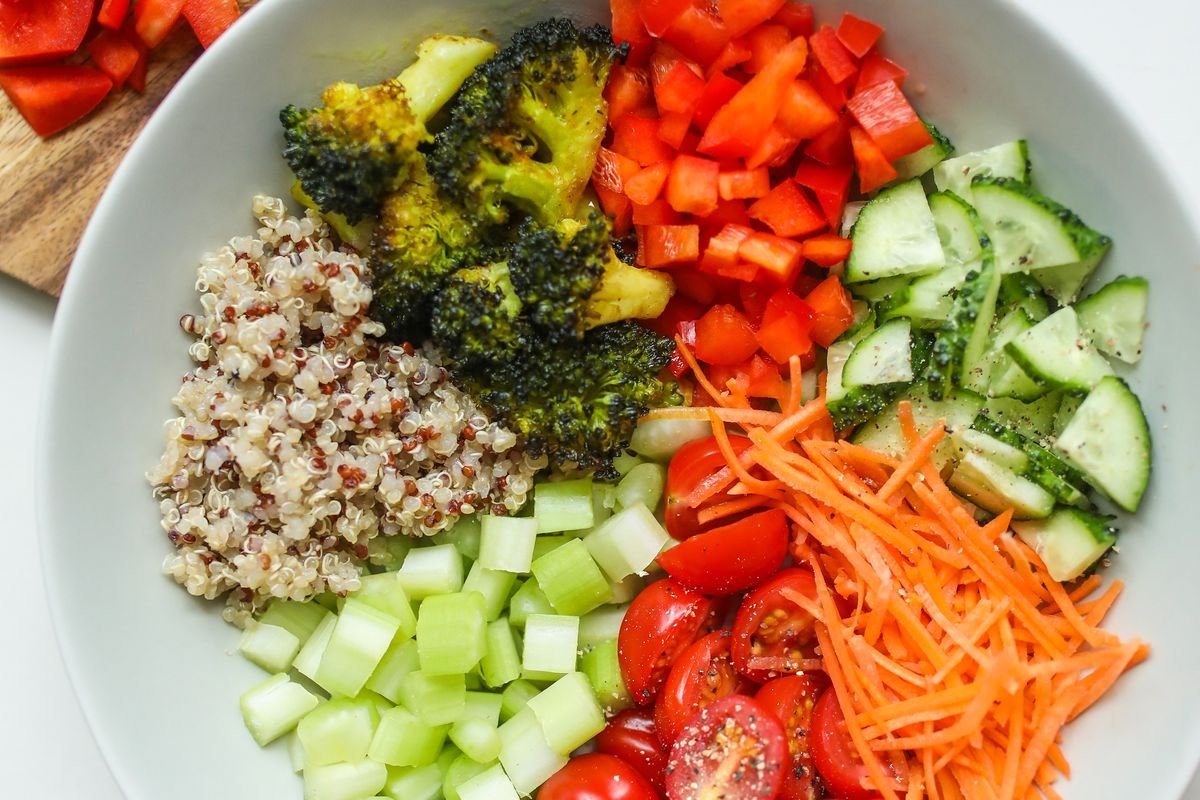
Many foods contribute to fluid intake. Cucumbers, watermelon, oranges, tomatoes, lettuce, soups and yogurt have high water content. Adding more fruits and vegetables supports hydration along with other nutrients.
Use Reminders
- Set gentle phone alarms during the day.
- Use a bottle with time markings, if you find that helpful.
- Track your intake with a simple tick chart on the fridge.
Remove reminders once the habit becomes automatic.
Plan for Busy Parent Days
- Pour a glass when you pour your child’s drink.
- Keep a bottle in the car, bag and stroller.
- Drink while feeding the baby or waiting at school pick-up.
- Make water the default drink at family meals.
Help Children Drink Enough
- Offer water regularly, not only when they ask.
- Let them choose a colorful bottle or a fun straw.
- Make it a game with a sticker chart.
- Be a role model by drinking water yourself.
Drink More in Certain Situations
You may need extra fluids in hot weather, during exercise, when you’re unwell with fever, vomiting or diarrhea, or while breastfeeding. Listen to your body and drink steadily. If symptoms are severe, seek medical advice.
Don’t Overdo It
More isn’t always better. Drinking very large amounts in a short time can be harmful. Aim for steady sipping through the day, and follow your doctor’s advice if you have specific health needs.
Common Mistakes
- Waiting until you feel very thirsty
- Relying on sugary drinks instead of water
- Forgetting to drink while busy
- Drinking all your water at once in the evening
Frequently Asked Questions
How much water should I drink each day?
It varies by person and circumstances. Pay attention to thirst and urine color, and ask a health professional if you’re unsure.
Do tea and coffee count?
They contribute to your fluid intake, though water is best for everyday hydration.
Can I drink too much water?
Yes, though it’s uncommon. Drink steadily rather than in huge amounts, and speak to your doctor if you have a health condition.
How can I remember to drink?
Keep water within reach, link drinking to daily habits and use gentle reminders until it becomes automatic.
Sip by Sip
You don’t need a complicated plan. Fill a bottle, keep it near you and attach a sip to something you already do. Within a couple of weeks, you may find hydration happens on its own.
This article is general health information, not medical advice. Consult a doctor for guidance on your own fluid needs, especially if you have a medical condition.