
Getting a first sale feels great. Getting a second sale from the same person feels even better, because it means you earned their trust. Repeat customers cost less to win back than strangers cost to find, and they tend to buy more with less convincing. Yet many small businesses pour all their energy into chasing new buyers and forget the ones they already have.
Why Repeat Customers Matter
A returning customer already knows your product, your service and your shop. They don’t need as much persuading. They’re also more likely to recommend you to friends and family, which brings new customers without extra advertising.
For a small business with limited time and budget, that steady base can make the difference between a rollercoaster income and a stable one.
Start With the Delivery Experience
The moment a customer receives their order is a chance to stand out. Think about the whole journey:
- Clear communication: confirm the order and share realistic delivery times.
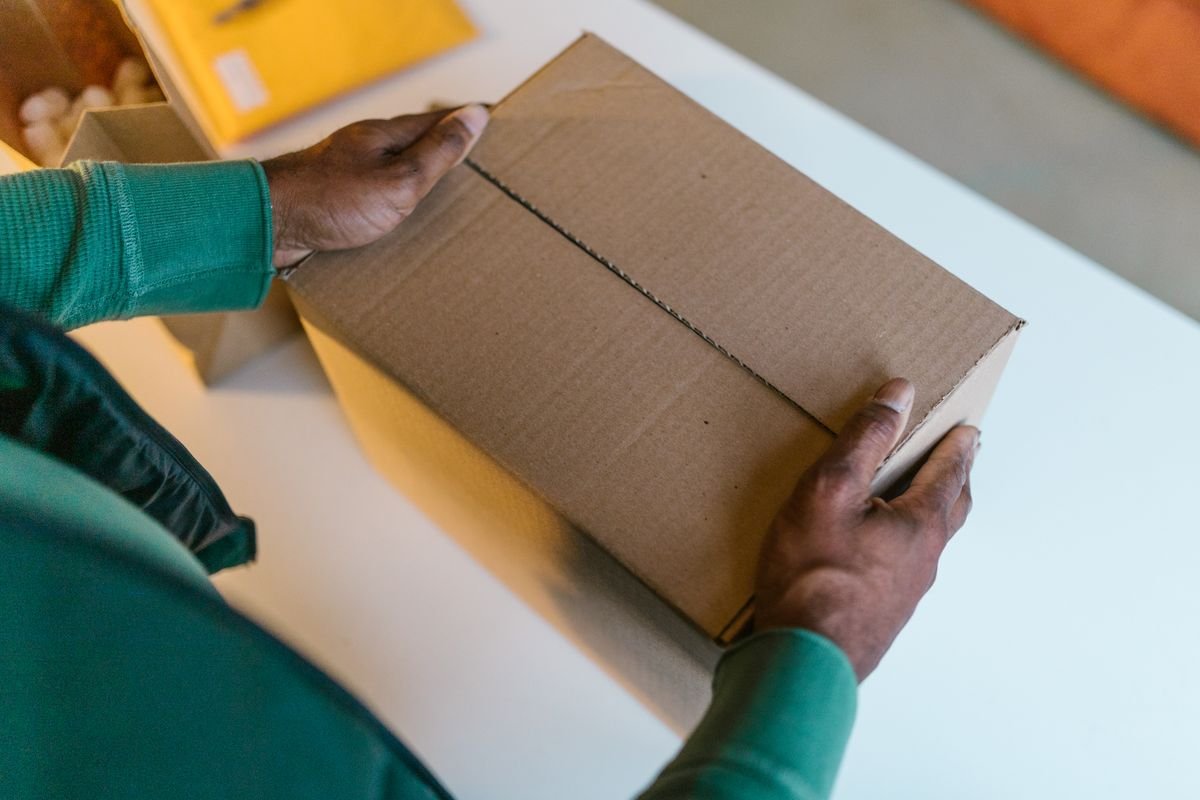
- Careful packaging: neat, protective and easy to open.
- Accurate orders: double-check before sending.
- A small personal touch: a handwritten thank-you note costs little and is often remembered.
Customers may forget small details, but they remember how they felt when the package arrived.
Follow Up After the Sale
Don’t let the relationship end at checkout. A short message a few days after delivery can do a lot:
- Check that everything arrived and works well.
- Offer help if they have questions about using the product.
- Invite feedback, which also shows you care.
Keep it genuine and brief. A message that feels like a form letter can do more harm than none at all.
Build a Simple Email List
Social media platforms change their rules and reach. An email list belongs to you. Offer something useful in exchange for an address, such as a small guide, early access to new items or a modest first-order discount. Always ask permission first and make it easy to unsubscribe.
Then use the list with respect. A helpful message once or twice a month works better than daily sales pushes.
Give People a Reason to Return
- New or seasonal items keep your shop fresh.
- Refills and replacements suit products that get used up.
- Complementary products make a natural next purchase.
- Loyalty rewards, such as a small discount on the third order, reward people for staying.
- Early access makes loyal customers feel valued.
Choose rewards that fit your margins. A discount that leaves you with no profit won’t help in the long run.
Handle Problems Gracefully
Sooner or later, something will go wrong. A late delivery, a damaged item or a misunderstanding happens in every business. How you respond often matters more than the mistake itself.
- Reply quickly and politely.
- Acknowledge the problem without making excuses.
- Offer a clear fix, such as a replacement or refund.
- Follow up to confirm they’re satisfied.
Customers who see a problem solved well can end up more loyal than those who never had one.
Listen and Adjust
Pay attention to what repeat customers buy, what they ask for and what they complain about. Their habits tell you what to stock, what to improve and what to stop doing. A short question such as “What would you like to see next?” can spark ideas you wouldn’t think of alone.
Track Your Repeat Rate
You can’t improve what you don’t measure. Note how many customers buy more than once, and how long it takes them to return. Even a simple spreadsheet works. If the repeat rate rises after you try something new, keep it. If not, try something else.
Frequently Asked Questions
How do I get customers to come back?
Deliver a great first experience, follow up kindly and give them a reason to return, like new products or a small reward. Consistency matters more than any single tactic.
Is a loyalty program worth it for a tiny business?
It can be, if it’s simple. A basic reward after a set number of purchases is easy to run. Make sure the reward doesn’t erase your profit.
How often should I email my customers?
Once or twice a month is a safe starting point for most small shops. Send messages only when you have something useful to say.
What if a customer is unhappy?
Respond quickly, listen, and offer a fair solution. A calm, helpful reply often turns a frustrated customer into a loyal one.
Loyalty Is Built in Small Moments
You don’t need a big budget to win repeat customers. A careful package, a kind message and a fair fix when things go wrong do most of the work. Pick one idea from this list and try it this week.
This article is general business information. Results depend on your product, audience and market.