
A walk in the woods can be one of the best family days out. It can also be a disaster if you set off unprepared, with tired legs and an empty snack bag. Hiking with children isn’t about distance. It’s about making the experience fun enough that they’ll want to do it again. These tips will help you start well.
Why Hike With Kids?
- It gets everyone outside, moving and breathing fresh air.
- It encourages curiosity about plants, animals and landscapes.
- It builds confidence and resilience.
- It gives the family undistracted time together.
Choose the Right Trail
The trail you pick can make or break the day. Look for:
- A short distance: for young children, one to three kilometers (about one to two miles) is plenty to start with.
- Gentle terrain: avoid steep climbs, loose rocks or dangerous drops at first.
- Interesting features: a stream, a viewpoint, a waterfall or a playground along the way keeps children engaged.
- A loop trail or a clear turnaround point, so you can adjust the distance.
- Easy access: a short drive and facilities such as toilets and parking.
Check recent trail conditions and weather before you go, and tell someone your plans.
Dress for Comfort
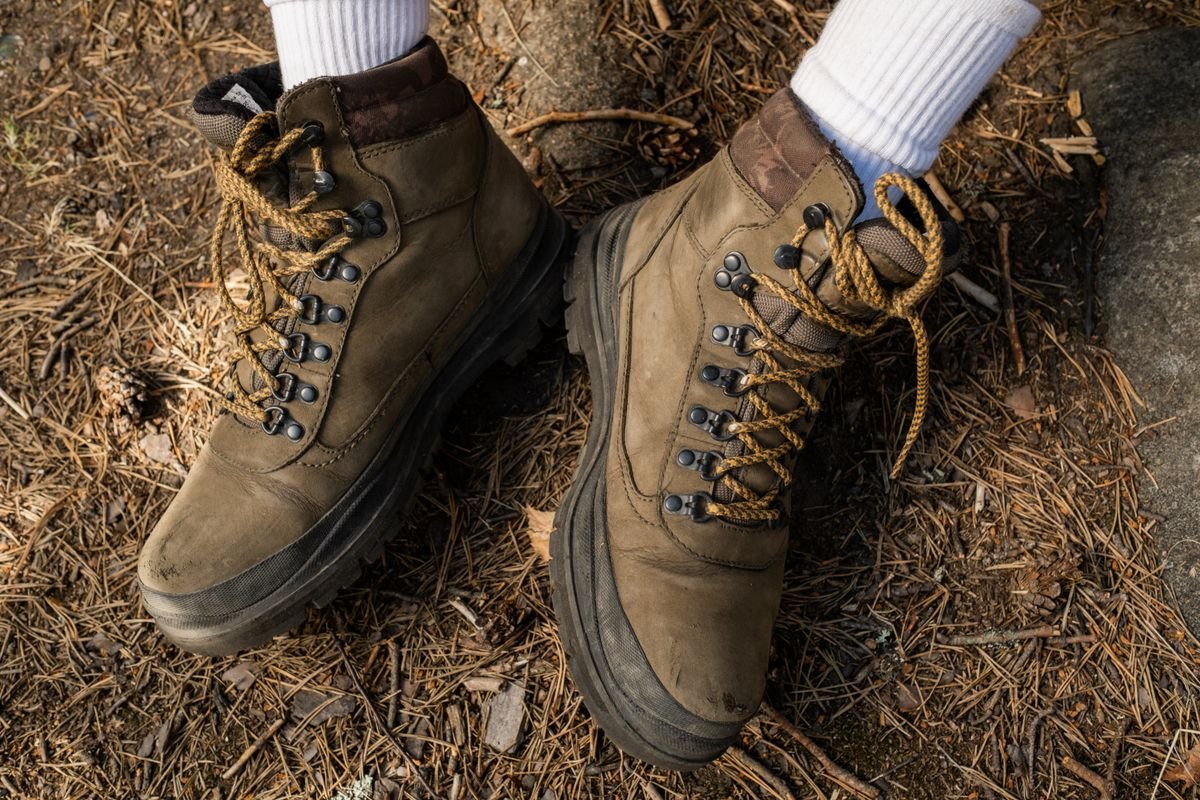
- Shoes: sturdy, comfortable footwear with good grip. Break new shoes in beforehand to avoid blisters.
- Layers: weather can change quickly. Dress in layers you can add or remove.
- Socks: choose moisture-wicking or wool socks rather than cotton, and pack a spare pair.
- Sun protection: hats, sunscreen and sunglasses where appropriate.
- Rain gear: a light waterproof jacket can save the day.
Pack the Essentials
- Plenty of water for everyone
- Snacks, more than you think you’ll need
- A small first-aid kit, including plasters for blisters
- A fully charged phone and a map or downloaded route
- Tissues, hand sanitizer and a bag for rubbish
- A whistle, in case someone gets separated
- Any medicines your family needs
Let children carry a small backpack with their own water and a snack. It gives them a sense of responsibility.
Make It Fun
A game can turn a walk into an adventure:
- Nature scavenger hunt: look for a pinecone, a feather, a red leaf or a smooth stone.
- I-spy: a classic way to distract tired legs.
- Trail bingo: make a card of things to spot.
- Sticks and stories: invent a tale about the forest as you walk.
- Photography: let children take pictures of things they find interesting.
- Leader of the day: let a child lead for part of the trail.
Set a Slow Pace
Children walk differently from adults. They stop, look, climb and collect. Let them. Allow extra time, expect frequent breaks and avoid pushing for speed. If you plan to hike for an hour, give yourself two.
Pack Snacks and Take Breaks
Regular snack breaks keep energy and mood up. Choose foods that are easy to carry, such as fruit, nuts (if age-appropriate), sandwiches, oat bars or dried fruit. Stop at pleasant spots and take time to enjoy the view.
Teach Trail Etiquette and Safety
- Stay on marked paths.
- Stay within sight of an adult.
- Don’t touch or eat unknown plants or berries.
- Don’t approach or feed wildlife.
- Take all rubbish home.
- Be kind to other hikers and say hello.
- If lost, stay put and use the whistle.
Watch for Signs of Trouble
Keep an eye on children for signs of tiredness, overheating, dehydration or discomfort, such as unusual quietness, flushed skin, headaches or complaints about feet. Stop, rest and offer water and a snack. If a child is unwell, turn back. The trail will still be there another day.
End on a High Note
Finish the hike while everyone is still happy. A treat at the end, such as a picnic, a favorite snack or a playground visit, creates a positive memory. Ask children what they liked best, and plan the next outing together.
Common Mistakes
- Choosing a trail that’s too long or steep
- Skipping snacks and water
- Wearing new or unsuitable shoes
- Pushing on when children are tired
- Ignoring the weather forecast
Frequently Asked Questions
At what age can children start hiking?
Many families begin with short walks when children are toddlers, or carry babies in a carrier. Start with short, easy routes and build gradually.
How far can children hike?
It depends on age, fitness and mood. Young children may manage a kilometer or two with plenty of breaks, while older children can go further.
What should I do if my child refuses to keep walking?
Take a break, offer water and a snack and try a game. If they’re still unhappy, it’s fine to turn back.
Do I need special equipment?
Not for easy trails. Comfortable shoes, appropriate clothing, water and snacks are the basics. Add more gear as your hikes get longer.
Small Steps, Big Adventures
Hiking with children is less about the destination than the journey. Start small, go slowly and keep it playful. With a few good experiences, you may find your children leading the way on the next trail.
This article is general outdoor and travel information. Always check weather, trail conditions and local rules, and choose routes suited to your family’s abilities and safety.